Overview
Acne (Pimple) Explained in 3D
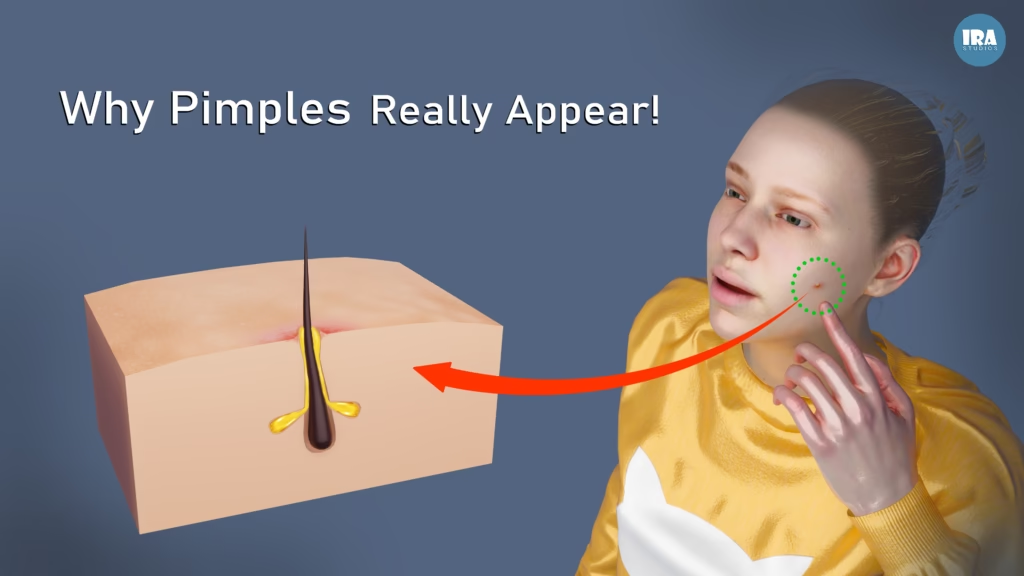
Acne is one of the most common skin-related conditions, especially during adolescence. While some individuals experience only mild surface changes, others observe more pronounced skin responses that can affect appearance and confidence.
This article presents an educational, anatomy-based explanation of acne using 3D visualization concepts. It focuses on how pimples form, why they develop, and what happens beneath the skin, without offering personal medical advice.
Disclaimer:
This content is intended for educational and visual learning purposes only. It does not provide medical diagnosis or treatment guidance.
What Is Acne or a Pimple?
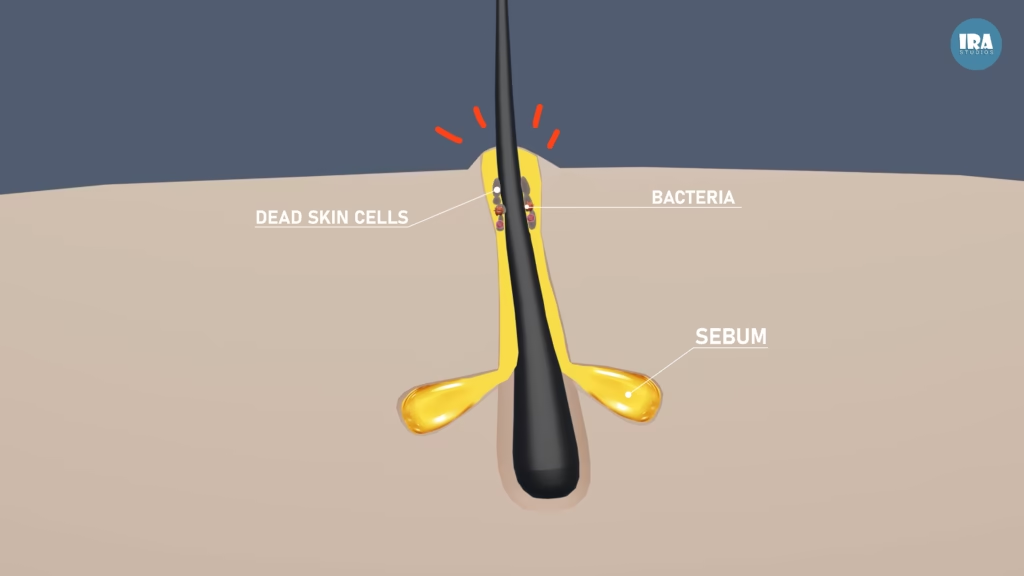
Acne, commonly known as pimples, occurs when the hair follicles in your skin get blocked. Our skin contains tiny oil-producing glands called sebaceous glands. These glands are mostly concentrated on the face, neck, chest, and scalp, and they produce an oily substance called sebum.
Normally, sebum travels through the hair follicles to the skin surface, where it lubricates the skin and keeps it healthy. However, sometimes dead skin cells, oil, and bacteria accumulate and block the follicle. This blockage traps bacteria inside, triggering the body’s immune system to fight them.
As a result, the affected area becomes red, swollen, and sometimes painful. This inflammation is what we recognize as a pimple. Pimples vary in size and severity, from small whiteheads or blackheads to larger, more inflamed pustules or cysts.
Why Do Pimples Develop?

Several factors can contribute to the development of acne:
Hormonal Changes:
During puberty and certain life stages, hormone levels increase, which can stimulate sebaceous glands to produce more sebum.
Excess Sebum Production:
Higher oil production can mix with dead skin cells and contribute to the blockage of hair follicles.
Bacteria:
The skin naturally hosts bacteria, but when trapped inside blocked follicles, they may multiply and trigger inflammation.
Genetic Factors:
Inherited skin characteristics can influence oil production, follicle structure, and inflammatory response.
Lifestyle and Environmental Influences:
Factors such as stress responses, dietary patterns, and daily skin exposure may influence how the skin reacts, though effects can vary between individuals.
Common Mistakes to Avoid

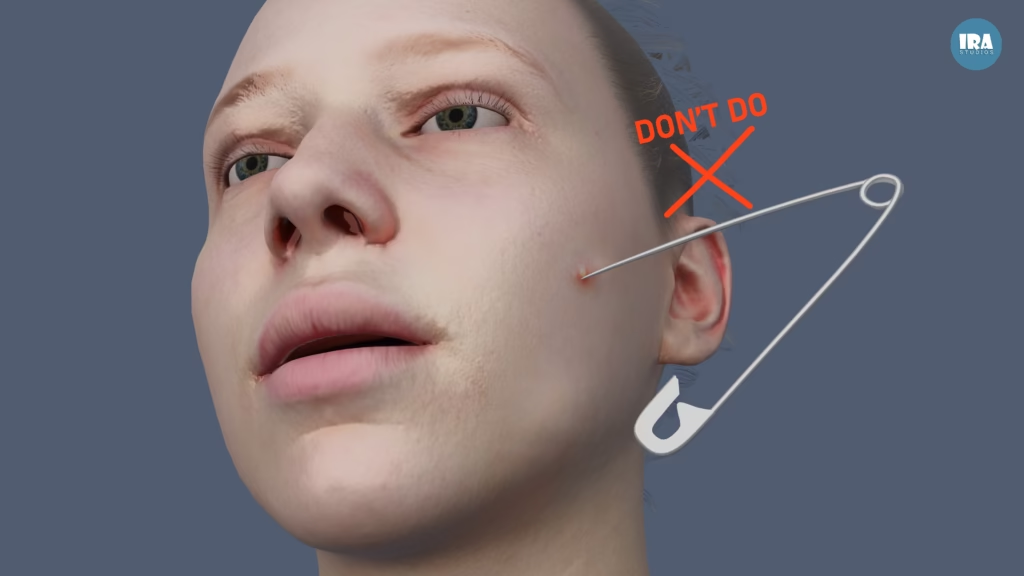
When pimples appear, many people attempt to pop or squeeze them. From an anatomical perspective, this action can lead to several observable skin responses:
Increased Bacterial Spread:
Applying pressure may push bacteria deeper into surrounding skin tissue, increasing local inflammation.
Skin Surface Damage:
Disrupting the follicle structure can damage the upper skin layers, sometimes resulting in visible marks or textural changes.
Prolonged Inflammatory Response:
Mechanical interference with an inflamed follicle may extend the time required for the area to return to its normal appearance.
Tissue Irritation:
Using sharp objects can further irritate skin tissue and intensify inflammatory reactions.
From a biological standpoint, limiting mechanical disturbance allows natural skin processes to proceed without additional stress.
Observed Approaches to Acne Management
From an anatomical and dermatological perspective, acne management involves understanding how the skin and follicles respond to different interventions, rather than providing personal instructions. Studies and clinical observations describe several general categories:
1. Topical Treatments
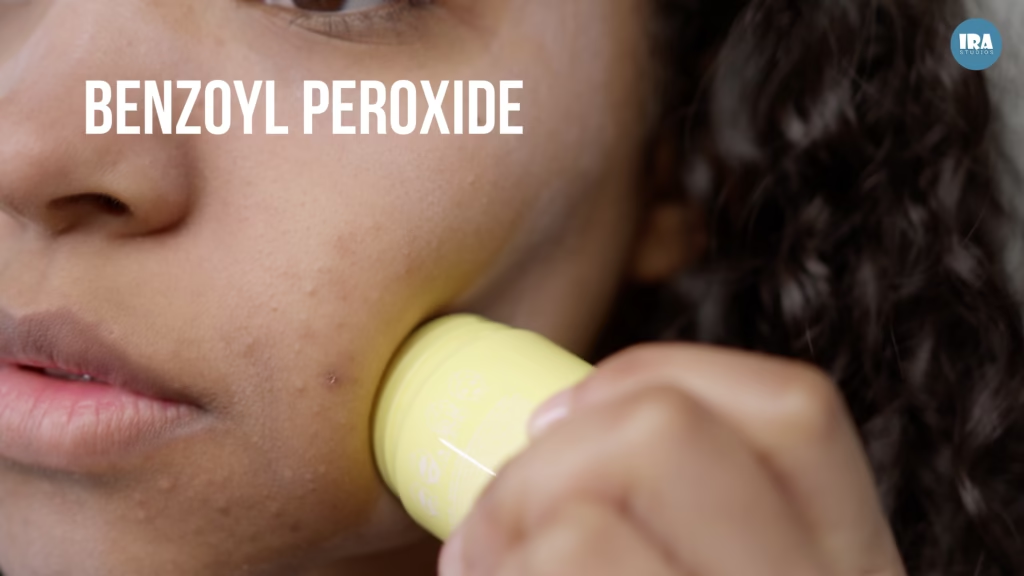
Research shows that certain topical compounds can influence the bacterial activity and inflammation within follicles. These compounds are studied for their effect on reducing clogging and supporting the skin’s natural response processes, although outcomes vary between individuals.
2. Protective Skin Coverings
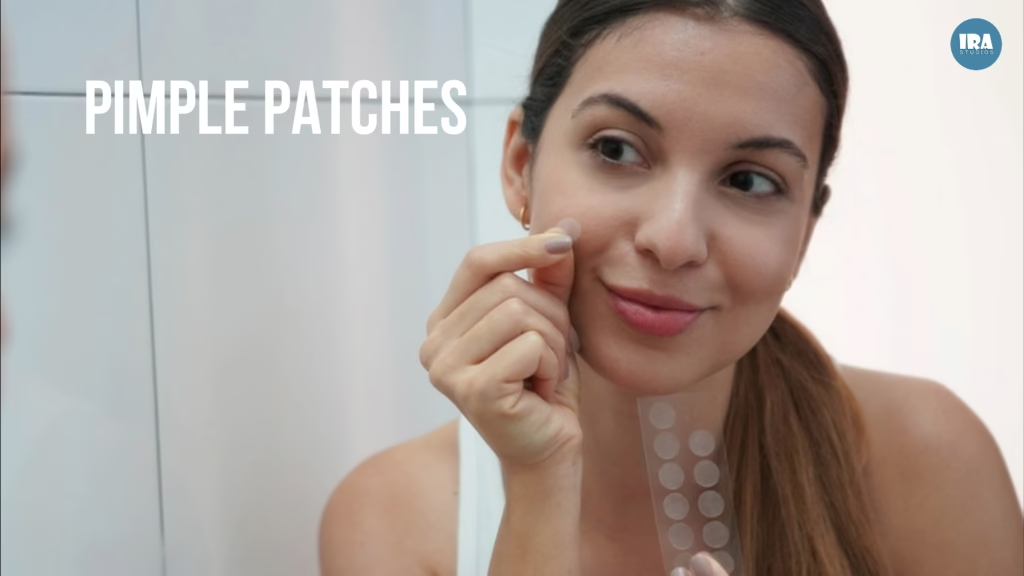
In educational observations, small protective coverings, sometimes called adhesive patches, are used to shield inflamed follicles from external contamination and reduce mechanical irritation. These coverings provide a controlled environment for natural skin repair.
3-Maintaining Skin Barrier Integrity
Observational studies emphasize the importance of supporting the skin’s natural barrier. Keeping the skin surface balanced—without aggressive interference—helps maintain hydration, regulate oil production, and limit irritation, which supports the natural turnover of skin cells.
4. Systemic Influences
Biological and anatomical research shows that internal factors within the body play a significant role in how the skin responds to follicular blockages. For example, hormonal changes, such as fluctuations in androgen levels during puberty, menstruation, pregnancy, or conditions like polycystic ovary syndrome (PCOS), can increase sebum production and make the skin more prone to acne.
Similarly, stress responses trigger the release of cortisol and other stress-related hormones, which can inflame the skin and worsen existing breakouts. Even metabolic activity—how efficiently the body processes nutrients and toxins—can influence skin health, as imbalances may lead to increased inflammation or slower healing of acne lesions.
These systemic factors help explain why acne severity and frequency vary widely between individuals. Two people with similar skincare routines may experience very different levels of breakouts because their internal biology responds differently to the same triggers. Understanding these internal influences is crucial for developing effective, personalized acne management strategies.
5. Professional Evaluation

In dermatology education, persistent or severe acne patterns are monitored and classified through clinical observation. While professional assessment may involve specialized treatments, this article focuses only on understanding observed approaches and skin responses.
The Importance of Patience
One of the most effective tools in managing acne is patience. Even with proper care, pimples take time to heal. Avoiding the urge to pop them and following a consistent skincare routine allows your skin to recover naturally. Remember, healing doesn’t happen overnight — but with persistence, you can significantly reduce breakouts and improve your skin’s appearance.
Key Takeaways
Acne develops when hair follicles become blocked, sebum production increases, bacteria multiply, and localized inflammation occurs.
Observations show that mechanical disturbance of inflamed follicles can affect skin surface appearance and tissue response.
Studies describe how various topical compounds and protective coverings interact with blocked follicles and influence skin physiology.
Maintaining skin barrier integrity and gentle care is associated with balanced follicular activity and natural skin turnover.
Systemic factors, such as hormonal fluctuations and metabolic activity, can influence the severity and frequency of acne lesions.
Research shows that acne lesions typically resolve over days to weeks, with timing varying between individuals depending on follicular and inflammatory dynamics.
Acne is a common biological phenomenon, and understanding its anatomy, formation, and physiological processes can help illustrate how the skin responds over time.
About the Author: This article was prepared by the Ira Studios editorial team. We specialize in creating high-fidelity 3D educational visualizations. Our mission is to bridge the gap between complex anatomy and visual education through deep-dive 3D cross-sections and animations.
Watch the Full 3D Animation
To explore all of these processes in 3D, check out our detailed 3D Animation video.
Watch it in Malayalam
Want to learn more through visual storytelling? Check out our detailed 3D explanation blog on What Is Menstruation? Why It Happens and How Pregnancy Occurs?
Useful Links : Pimple-Clevland Clinic