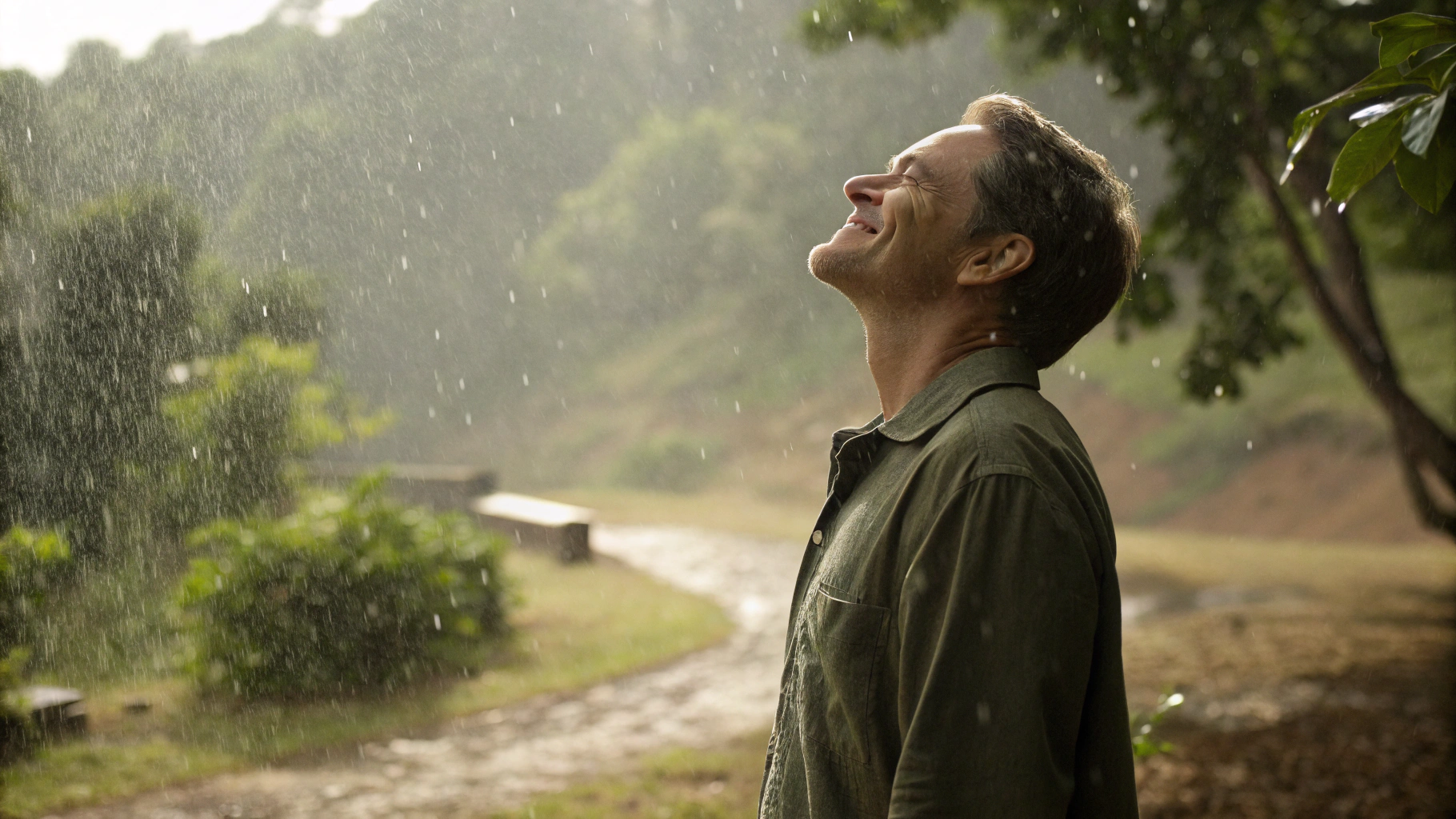
Do you like the smell of soil after a rain? It is a familiar and pleasant scent, often described as fresh or earthy. However, this smell does not actually come from soil itself. It is produced by a combination of biological and physical processes that occur when rain interacts with dry ground.
The scent is created when rainfall releases chemical compounds produced by soil bacteria and plants into the air. Scientists call this phenomenon petrichor, a natural aroma formed through interactions between microorganisms, vegetation, and atmospheric conditions. Humans are especially sensitive to these compounds, which is why the smell is so easily recognized.
Understanding petrichor helps explain how soil biology, plant chemistry, and rainfall work together, and why this scent has been part of Earth’s natural environment for millions of years.
What Is Petrichor?
Petrichor is the term used to describe the earthy smell that appears when rain falls on dry ground.
The word was coined in 1964 by Australian scientists Isabel Joy Bear and Richard G. Thomas. It comes from:
“Petra” (Greek for stone)
“Ichor” (the fluid said to flow in the veins of the gods)
This poetic name reflects how ancient and natural the phenomenon is.
But petrichor is not a single smell. It is a blend of airborne chemicals, mainly:
Geosmin
Plant oils
Atmospheric compounds released during rainfall
The Hidden Role of Soil Bacteria
Actinobacteria
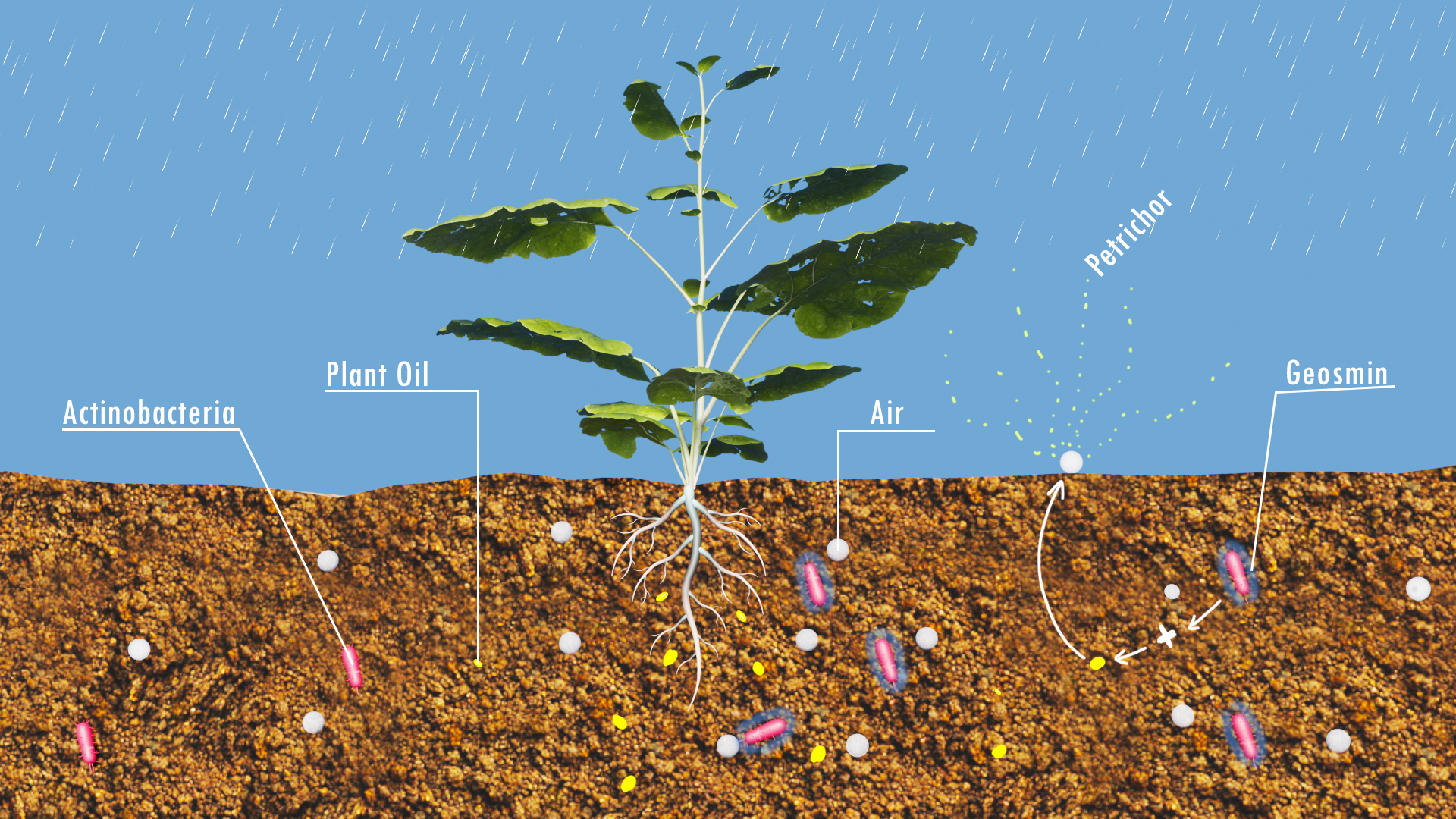
Dry soil is not lifeless. It is filled with microscopic organisms, especially a group of bacteria called Actinobacteria(See above Image).
These bacteria live quietly in soil and become active when environmental conditions change. During dry periods, they produce a compound called geosmin.
Geosmin is the key reason rain smells the way it does.
What Is Geosmin?
Geosmin is an organic compound responsible for the characteristic earthy smell often noticed after rain. Humans are extremely sensitive to this compound and can detect it at concentrations as low as 5 parts per trillion, making it one of the strongest-smelling substances known to humans.
Because of this remarkable sensitivity, it is sometimes said that only humans can smell geosmin. This is not entirely true. While humans are among the most sensitive species to geosmin, other animals—including certain insects, fish, and mammals—can also detect it. For example, some aquatic animals use geosmin as an environmental signal, and insects have been shown to respond to it during feeding or habitat selection.
To put human sensitivity into perspective:
Sharks are famously sensitive to the smell of blood in water.
Humans are exceptionally sensitive to geosmin in air.
Scientists believe this heightened sensitivity evolved as an advantage, helping early humans recognize the presence of fresh water, fertile land, or changing environmental conditions.
Why Plants Matter in the Smell of Rain
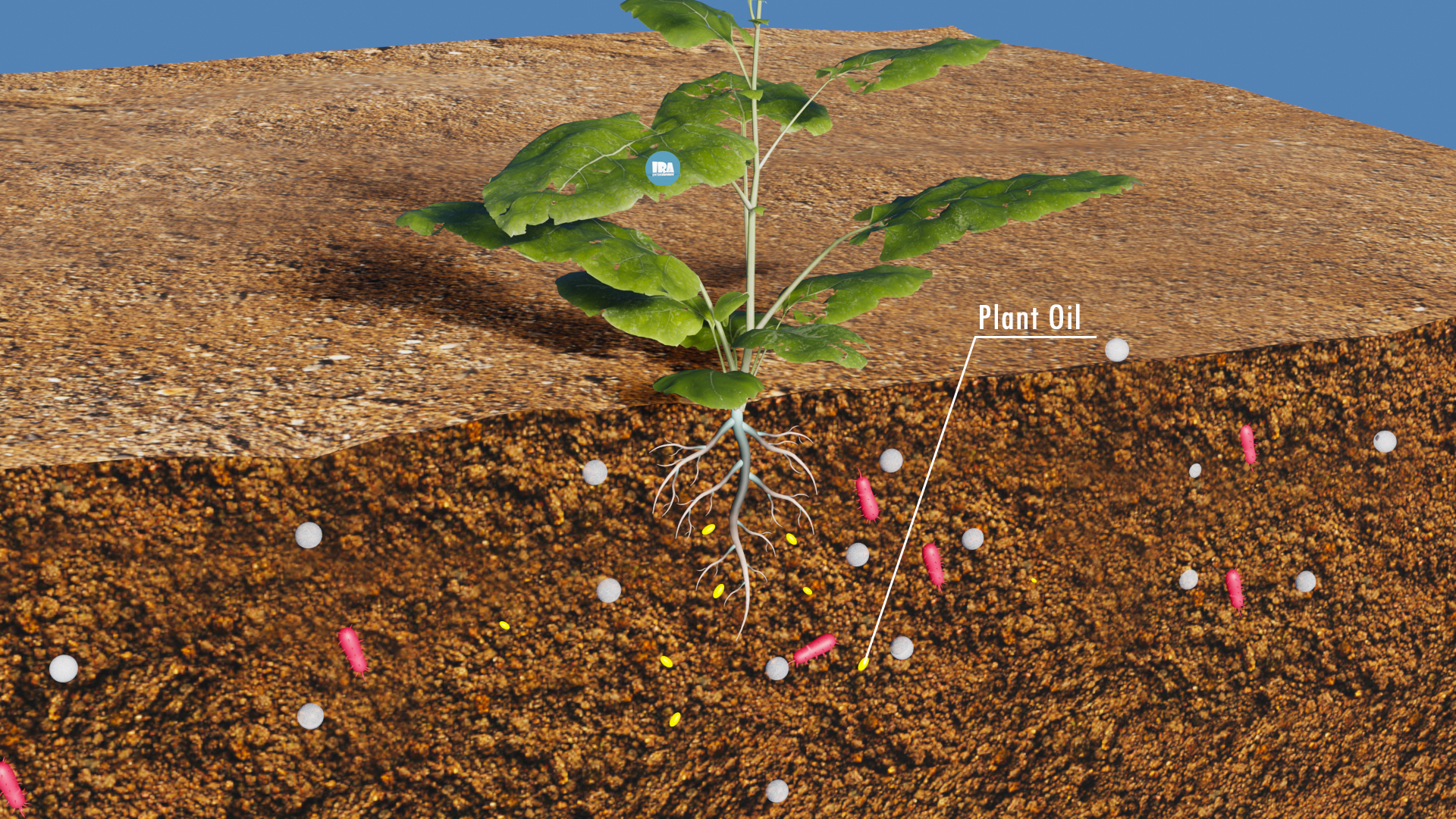
During dry weather, many plants release small amounts of natural oils into the surrounding soil. These oils play important roles in helping plants survive: they keep seeds safe while the soil is dry, prevent seeds from sprouting when there isn’t enough water, and hold nutrients in the soil until rain provides moisture for growth.
While the soil is dry, these oils remain trapped underground. When the first raindrops hit dry earth, they disturb the soil, causing the oils to be released into the air. At the same time, geosmin, a compound produced by soil bacteria, is also lifted from the ground. Together, these plant oils and geosmin mix in the atmosphere, producing the distinctive, earthy scent that we recognize as petrichor.
The Physics Behind the Smell: How Rain Lifts Scent Into the Air
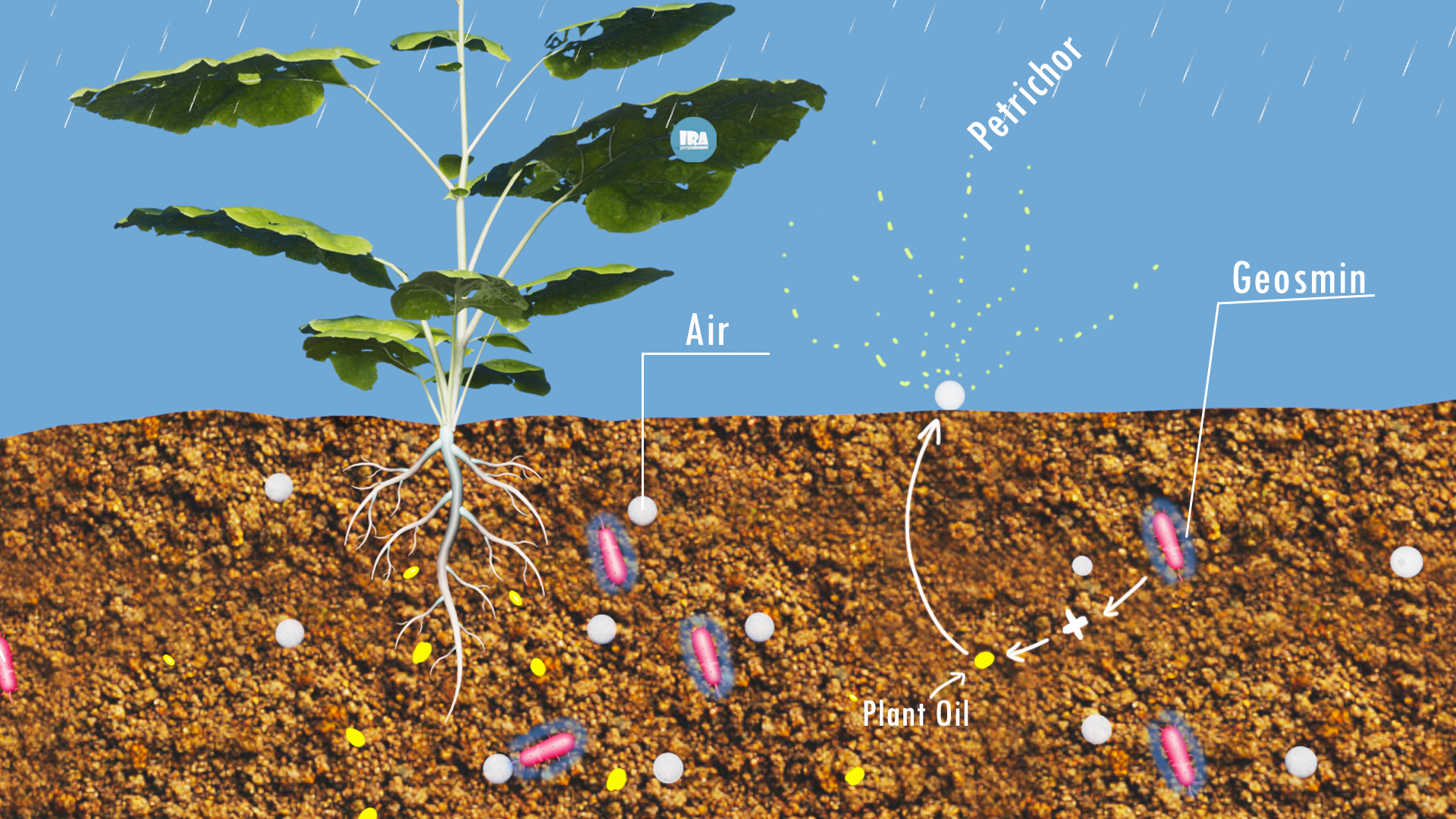
When raindrops hit dry soil, something remarkable happens at a microscopic level.
Raindrops strike porous ground
Tiny air pockets trapped in the soil are disturbed
These pockets form microbubbles
The bubbles rise and burst
When they burst, they eject aerosols into the air
These aerosols carry:
Geosmin
Plant oils
Other soil compounds
This is how the smell travels from the ground into your nose.
Why the Smell Is Stronger After the First Rain
You may notice that the smell is strongest:
After long dry periods
During the first rain of the season
That’s because:
More geosmin has built up in dry soil
More plant oils are stored underground
The first rainfall releases everything at once
After repeated rains, the compounds wash away, and the smell becomes weaker.
Why Humans Love the Smell of Rain
An Evolutionary Explanation
Possible reasons include:
Fresh rain often meant clean water
Rain signaled fertile land
Rain meant survival for plants, animals, and humans
Our brains may associate the smell with safety, abundance, and renewal.
Psychological Effects
Studies suggest the smell of rain can:
Reduce stress
Trigger nostalgia
Improve mood
Increase focus
This may explain why people often feel calm or emotional when rain begins.
Petrichor vs Other Rain-Related Smells
Not all rain smells are the same, and the scent you notice can vary depending on the environment and weather conditions.
Ozone Smell Before Rain
Before thunderstorms, lightning can split oxygen and nitrogen molecules in the atmosphere, producing ozone. This creates a sharp, clean scent that is often noticeable in the air just before heavy rainfall.
Urban Rain Smell
In cities, the smell of rain can be quite different from the natural earthy scent of rural areas. Rainwater can mix with substances such as oil, pollution, and dust from concrete surfaces, creating a more complex and less “fresh” aroma compared to the classic petrichor experienced in natural soil environments.
Why Petrichor Matters Scientifically
While the smell of rain is enjoyable to humans, petrichor is much more than a pleasant scent—it provides valuable insights for scientists studying the natural world. One of the main areas of study is microbial activity in soil. The presence and concentration of geosmin, produced by soil bacteria, can reveal how active these microorganisms are and how healthy the soil ecosystem is.
Petrichor also gives clues about rainfall patterns. By analyzing how and when the scent is released, researchers can better understand soil moisture levels, precipitation events, and the interaction between rainfall and the environment.
In addition, the compounds responsible for petrichor play a role in ecosystem health. They indicate how plants and soil microbes interact, which can influence plant growth, nutrient cycles, and the overall balance of natural habitats.
Finally, petrichor contributes to studies in atmospheric chemistry, helping scientists observe how volatile organic compounds from soil and plants enter the air and interact with the atmosphere. Because of this, it is an important area of research in agriculture, climate science, and environmental monitoring, providing data that can help improve crop management, predict ecological changes, and track environmental health over time.
FAQs: Common Questions About the Smell of Rain
Is the smell after rain actually soil?
No. The smell comes mainly from geosmin, plant oils, and airborne aerosols—not soil itself.
Is petrichor harmful?
No. Petrichor is completely natural and harmless at environmental levels.
Why do some people notice it more than others?
Sensitivity to geosmin varies between individuals, just like taste or smell preferences.
Does rain smell the same everywhere?
No. Soil type, plants, climate, and pollution all affect the scent.
Can animals smell petrichor?
Yes. Many animals are sensitive to geosmin and may use it to locate water.
Final Thoughts
When rain falls on dry soil and the earthy smell appears, it’s not just the scent of wet dirt. This smell, called petrichor, comes from a combination of soil bacteria, plant oils, and the physical effects of raindrops interacting with the ground.
Even something as small as geosmin, a compound released by bacteria, can influence how we perceive our environment. Petrichor shows how biological, chemical, and physical processes in nature work together and how these tiny interactions can affect human senses and our connection to the natural world.
Watch the Full 3D Animation
To explore all of these processes in 3D, check out our detailed 3D Animation video.
Watch it in Malayalam!
Want to learn more through visual storytelling? Check out our detailed 3D explanation blog on Why Snowfall Makes the World So Quiet: The Science Behind Winter’s Silence