What Is Menstruation? How Pregnancy Occurs?
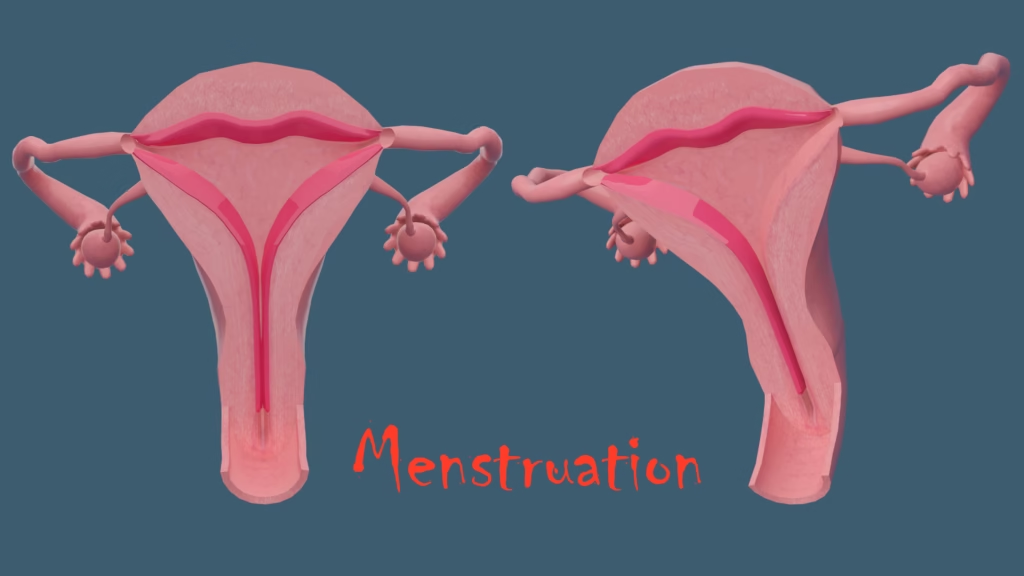
Menstruation, commonly known as periods or the menstrual cycle, is a natural biological process that most women experience every month for many years of their lives. Yet, despite being so common, menstruation is often misunderstood, stigmatized, or spoken about only in whispers. Many women go through severe pain, discomfort, fatigue, mood changes, and what may feel like a “waste” of blood and nutrients during this time. This naturally raises an important question: why does the body go through such a difficult process every month?
To truly understand menstruation, we must begin with one key word: pregnancy.
Why Women Have Menstruation?
When a woman becomes pregnant, her body works very hard to create a safe place for the baby to grow. For this, the body uses a lot of energy, nutrients, blood, and hormones.
But pregnancy is not an easy process for the mother’s body. There is a kind of conflict happening inside.
The baby carries genes from both the mother and the father. From a biological point of view, the baby’s genes want to take maximum nutrients from the mother to grow strong. At the same time, the mother’s body must protect her own health and also think about future pregnancies.
Because of this conflict, pregnancy can sometimes become risky. It can make the mother very tired and may lead to problems like high blood pressure or diabetes.
So the mother’s body has an important rule: 👉 It will support and continue only a healthy and suitable pregnancy.
This is where menstruation becomes important.
The Role of the Placenta
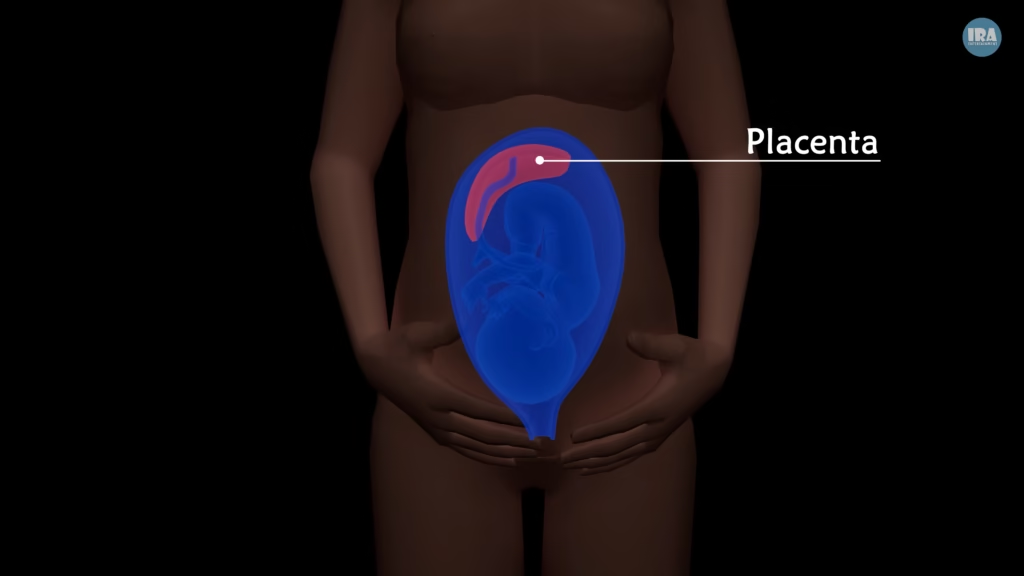
The placenta is the organ that connects the mother and the baby during pregnancy. It attaches to the wall of the uterus and connects directly to the mother’s blood supply.
Through the placenta, the baby receives:
Oxygen
Nutrients
Hormones
In many animals, the placenta stays behind a protective barrier. This allows the mother to control how many nutrients the baby receives.
But in humans, the placenta connects directly to the bloodstream. Because of this, the baby can influence the mother’s body by releasing hormones that can change blood sugar or blood pressure.
This direct connection is one reason why human pregnancy can be physically demanding and risky.
What Is Menstruation?

Menstruation is the process by which the body removes the preparation made for pregnancy when pregnancy does not happen.
To understand this clearly, we must first understand how pregnancy happens.
What Is Pregnancy?
Pregnancy begins when a male reproductive cell and a female reproductive cell meet and combine to form a new life.
For pregnancy to happen, three things are absolutely necessary.
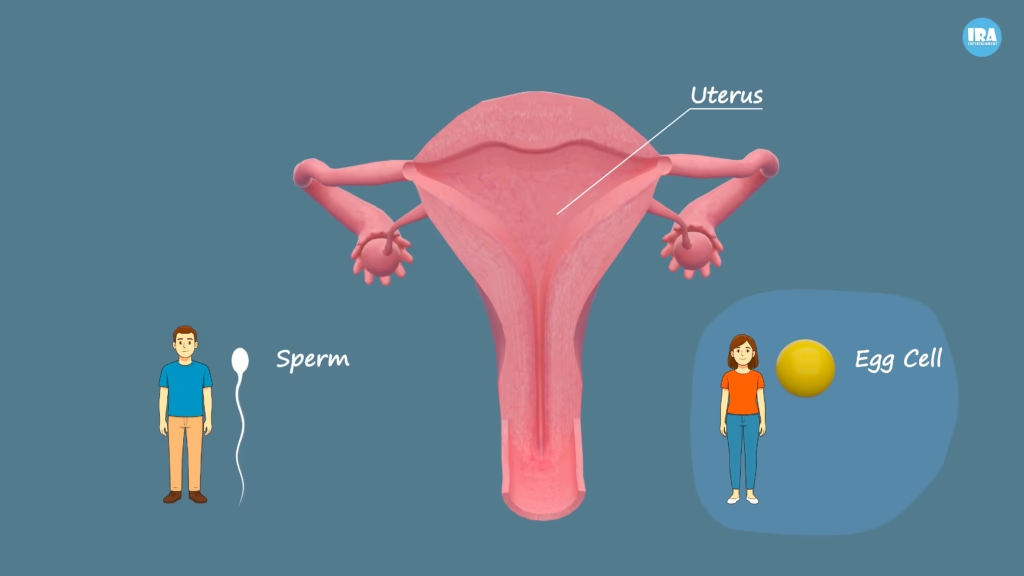
1- Sperm?
Sperm are male reproductive cells. They carry genetic material from the father. Their job is to meet the egg and fertilize it to create a baby.
Each sperm carries half of the genetic information needed to form a human being.
2- Egg Cell
An egg cell is the female reproductive cell. It also carries half of the genetic information needed to make a baby.
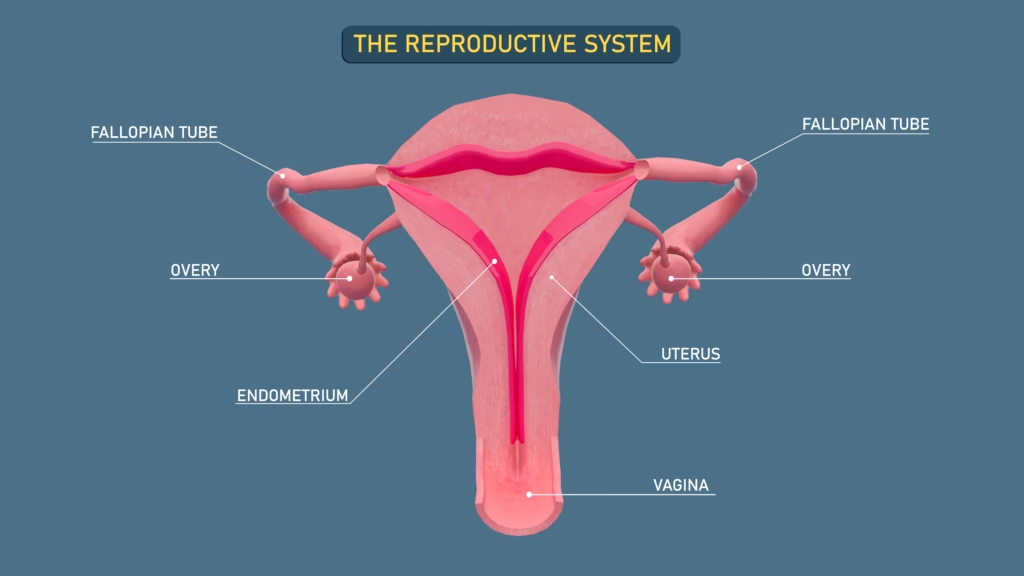
Egg cells are stored inside the ovaries, in small sacs called follicles.
A woman is born with more than 4 lakh (400,000) egg cells, but normally only one egg is released each month.
3- Uterus
The uterus, also called the womb, is a hollow muscular organ where a baby can grow safely.
Normally, it is about 8 cm long, but during pregnancy it expands greatly and can reach up to 40 cm by the end of pregnancy.
Every month, the uterus prepares itself in case pregnancy happens.
How the Menstrual Cycle Begins
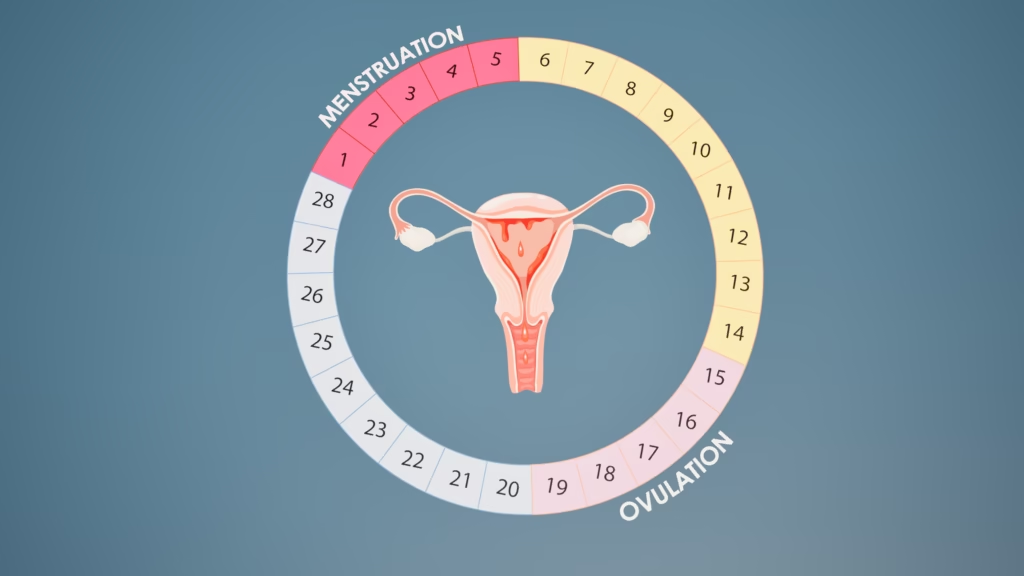
Once a girl reaches puberty, the menstrual cycle starts. This cycle is controlled by the brain.
A small gland in the brain called the pituitary gland releases two important hormones:
FSH (Follicle-Stimulating Hormone)
LH (Luteinizing Hormone)
These hormones travel through the blood and reach the ovaries.
How the Egg Grows Each Month
When FSH reaches the ovaries, it helps egg cells inside the follicles to start growing.
As one egg grows more than the others, the follicle produces a hormone called estrogen.
As estrogen levels increase, they send a message back to the brain saying: 👉 The egg is becoming mature.
What Is Ovulation?
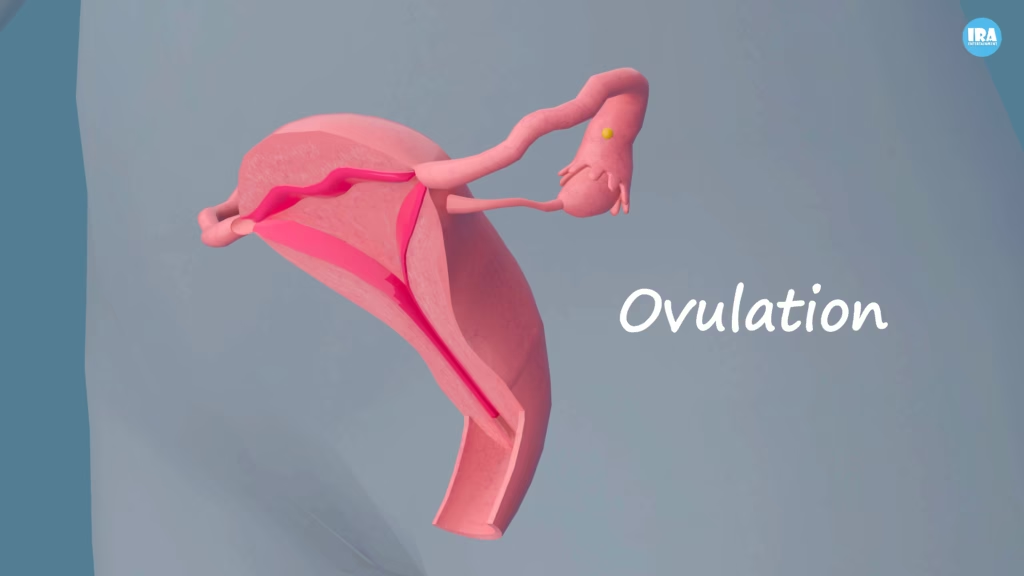
When estrogen reaches a high level, the brain reduces FSH and suddenly releases a large amount of LH. This sudden increase is called the LH surge.
Because of the LH surge:
The follicle breaks open
The fully mature egg is released from the ovary
This release of the egg is called ovulation.
After ovulation, the egg enters the fallopian tube, where it waits for a sperm.
Ovulation usually happens 10 to 16 days before the next period.
When Can Pregnancy Happen?
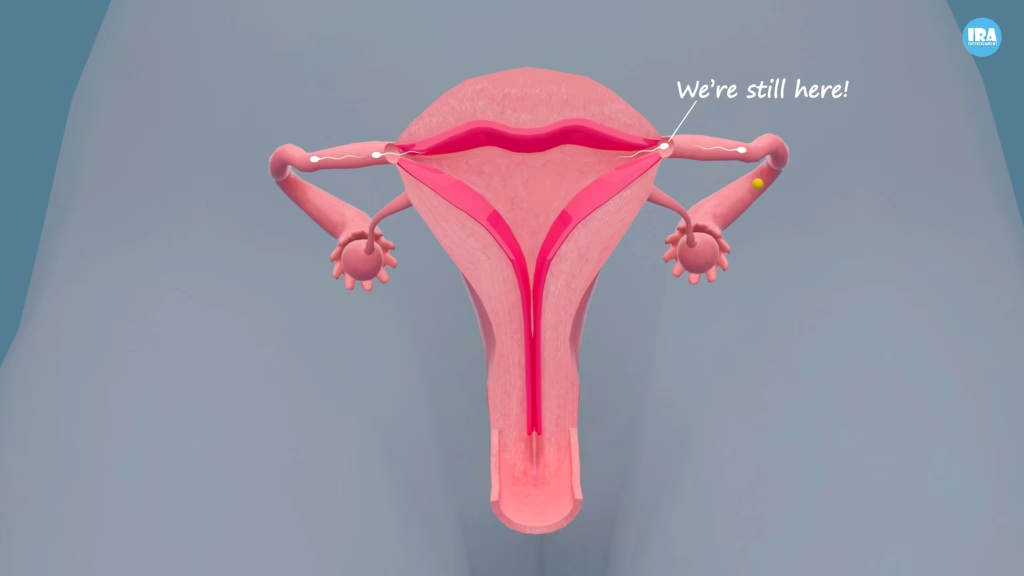
The egg can survive for only 12 to 24 hours after ovulation.
Sperm, however, can survive inside the female body for up to 5 days.
That is why pregnancy can happen even if sexual intercourse happens a few days before ovulation.
The highest chance of pregnancy is:
A few days before ovulation
On the day of ovulation
When Pregnancy Does Not Happen
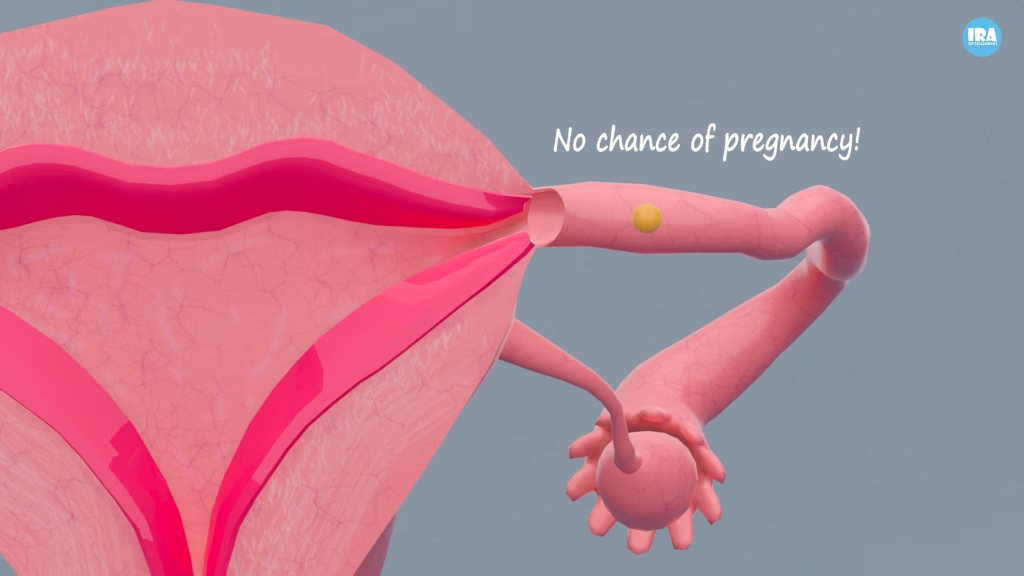
If the egg does not meet a sperm within 24 hours, it dies. Pregnancy does not occur that month.
Meanwhile, the uterus has already prepared a soft, blood-rich lining called the endometrium.
If a fertilized egg does not attach to this lining, the body understands that pregnancy has not happened.
How Menstruation Happens
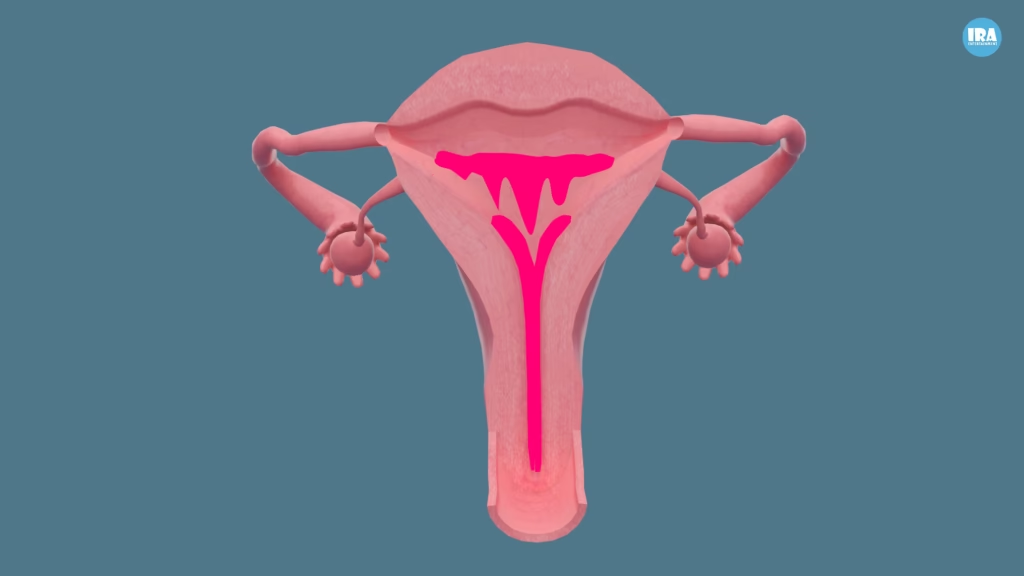
When pregnancy does not occur:
Estrogen and progesterone levels fall
The uterine lining becomes weak
The lining breaks down and leaves the body
This mixture of blood and tissue coming out of the body is called menstruation.
It can take up to one week for the uterus to completely clear this lining.
After that, the cycle begins again.
The Common Myths About Menstruation
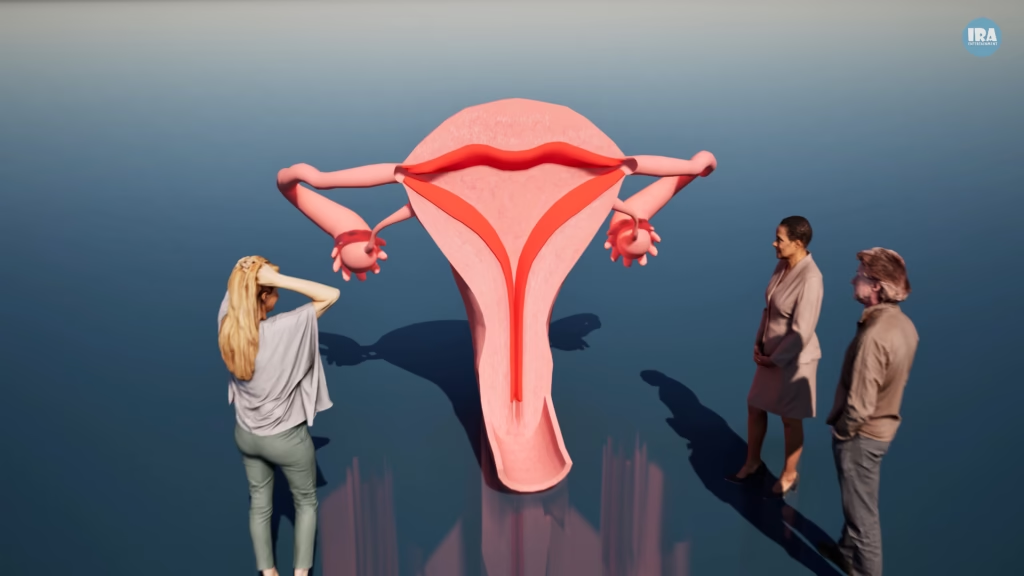
Menstruation has been surrounded by myths and misconceptions for centuries, mainly because people don’t understand the science behind it. Let’s look at some common myths and the truth behind them.
“Periods are dirty or impure”
This is completely false. Menstruation is a natural biological process, just like breathing or heartbeat. It is not a sign of impurity or weakness.“Menstruation detoxifies the body”
Many believe periods help remove toxins from the body. Actually, the liver and kidneys are responsible for detoxification. Menstruation only sheds the uterine lining prepared for pregnancy.“All women have a 28-day cycle”
This is just an average. A healthy cycle can range from 26 to 32 days, and variations from month to month are normal.“Period pain is abnormal”
Mild cramping is normal, but if the pain is severe enough to disrupt daily life or does not respond to common pain relief, it may indicate conditions like endometriosis or other health issues that need medical attention.
Final Thoughts
Menstruation is not a useless or meaningless process. It is a protective and intelligent system of the female body.
It ensures that the body supports only healthy pregnancies while protecting the mother’s health.
About the Author
This article was prepared by the IRA Studios editorial team, creators of high-quality 3D educational visualizations designed to simplify complex ideas through clear and engaging visuals.
Watch the Full 3D Animation
For a visual 3D breakdown of these processes, you can watch our detailed animation on YouTube (English & Malayalam).
Watch it in Malayalam
Want to learn more through visual storytelling? Check out our detailed 3D explanation blog on How Do Medicines Know Where to Heal?
Useful Links : Reproductive System