Medical Disclaimer
This article is intended for general educational purposes only and should not be considered medical advice. Individual health conditions vary, and readers should consult a qualified healthcare professional for diagnosis or treatment of urinary or bladder-related concerns.
What Happens When You Hold Your Pee?
Have you ever had to hold your pee during a long drive, through a movie, or in the middle of an important meeting? Almost everyone has experienced that uncomfortable moment—shifting in your seat, tightening your muscles, and waiting for the next chance to use the restroom.
But this raises an important question:
Is holding in your pee actually bad for your health?
In this article, we explore what really happens inside your body when you delay urination. Using a clear, step-by-step explanation supported by detailed 3D visuals, we’ll break down how your bladder works, what changes when you hold urine too long, and when it can start causing problems.
First, Let’s Talk About How Pee Works
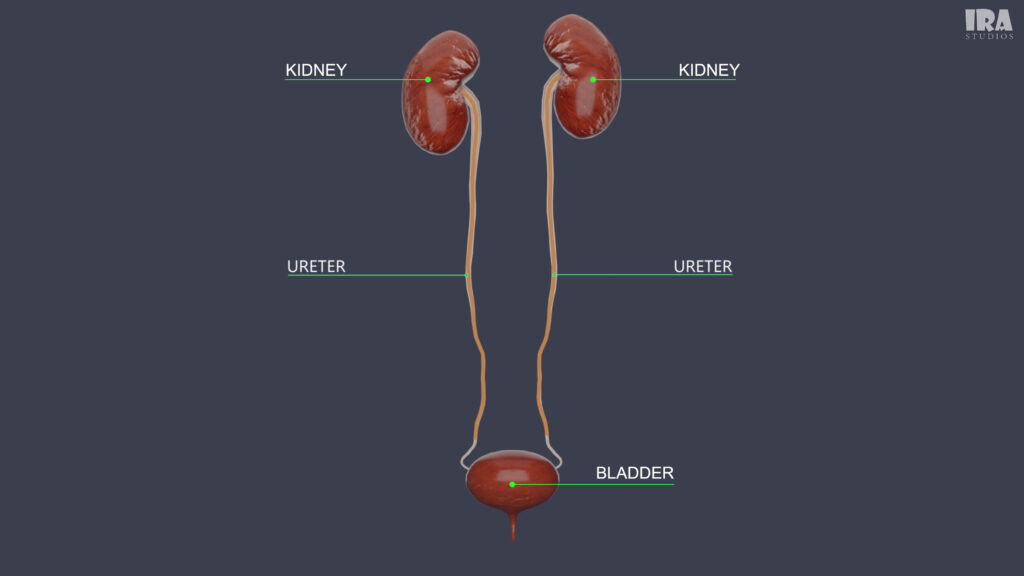
Your body has a built-in cleaning system that works 24/7, and the kidneys play the most important role in it.
The kidneys continuously filter your blood, removing waste products, excess salts, and extra water. This waste is converted into urine, which then travels through two narrow tubes called ureters and is stored in the bladder.
The bladder functions like a flexible storage tank. As urine slowly collects, the bladder stretches to accommodate it. When it reaches about 150–200 milliliters, your brain receives the first signal indicating that it may soon be time to use the bathroom.
If this signal is ignored, the bladder continues to stretch—holding 300 milliliters, 400 milliliters, and sometimes even more. In healthy adults, the bladder can temporarily hold up to 800–1000 milliliters, although this varies from person to person.
Eventually, the signals become much stronger, creating a clear and urgent need to urinate. This response is part of the body’s protective mechanism, designed to prevent discomfort and potential harm.
What Stops It From Leaking?
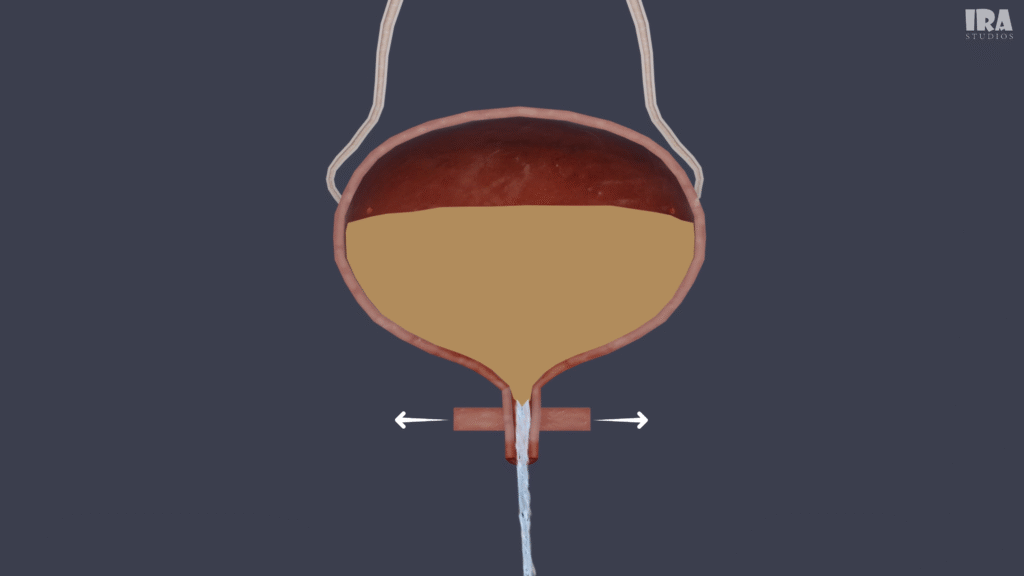
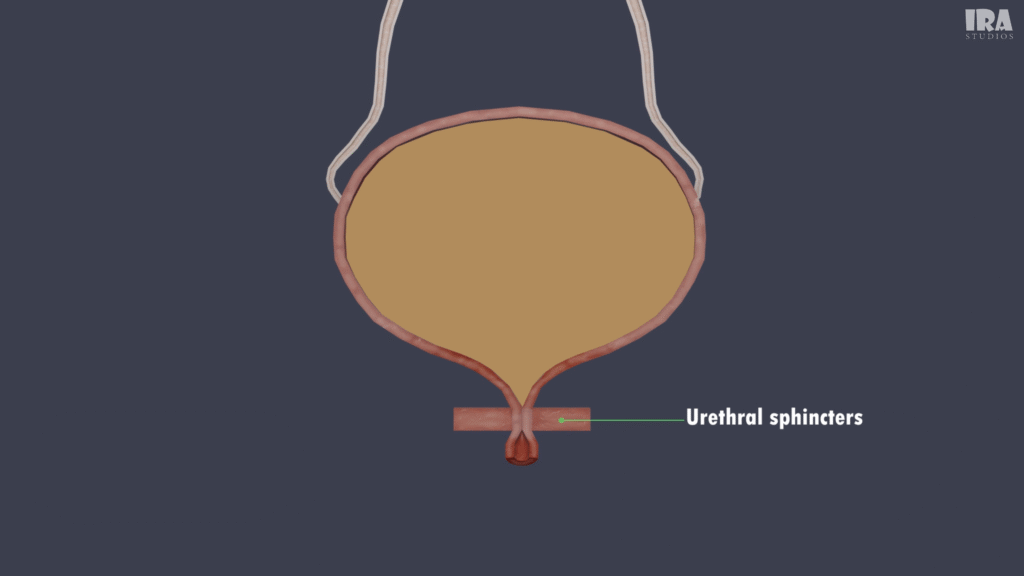
A small but powerful muscle called the urethral sphincter plays a key role in bladder control. Think of it like a tap or valve. When you’re holding your urine, this muscle stays tightly closed. When it’s time to urinate, it relaxes and opens, allowing urine to flow out.
Most of the time, this system works automatically. However, it also relies on healthy coordination between your bladder, muscles, and nervous system.
Here’s the problem: constantly forcing yourself to hold your pee for long periods puts extra strain on this muscle. Over time, the urethral sphincter can weaken or lose some of its ability to respond properly. When that happens, bladder control becomes less reliable.
This can lead to issues such as:
Urine leakage when laughing, coughing, or sneezing
A frequent or sudden urge to urinate, even when the bladder isn’t full
Bladder confusion, where the brain receives mixed or inaccurate signals about when it’s actually time to go
In other words, regularly ignoring your body’s signals can disrupt the normal balance between the bladder and the muscles that control it.
How Holding Urine Can Affect Infection Risk
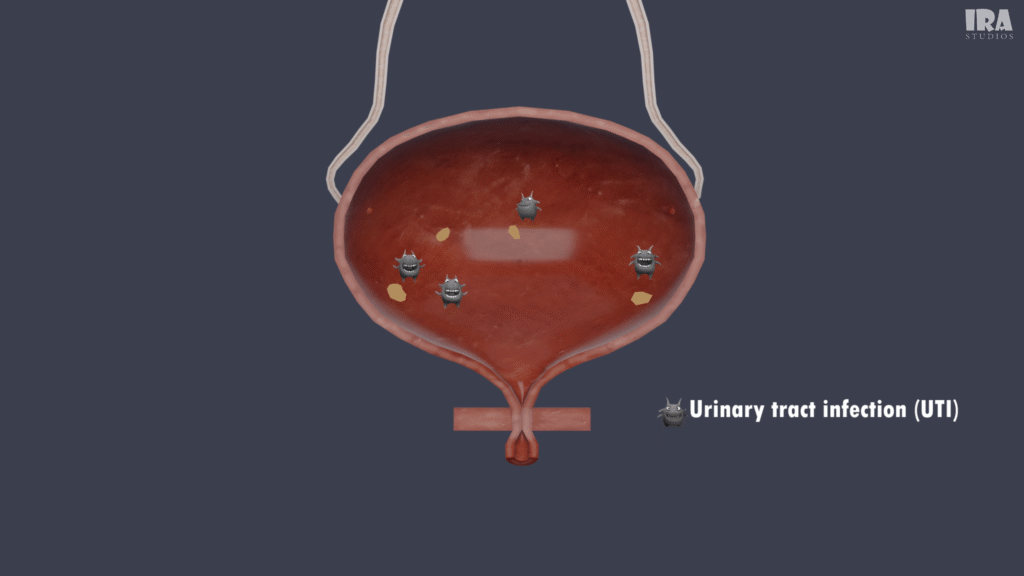
Holding your pee for long periods can cause urine to sit in the bladder longer than it should. While this might not seem harmful at first, it creates the ideal environment for bacteria to grow.
Urine is warm, the bladder is moist, and waste products are present—all conditions that allow bacteria to multiply quickly if they are not flushed out regularly. Normally, frequent urination helps clear bacteria from the urinary tract. When you delay that process, the risk of infection increases.
This can lead to urinary tract infections (UTIs), which are quite common and often uncomfortable. Symptoms may include:
A burning or stinging sensation while urinating
Pain or pressure in the lower abdomen
Frequent urges to pee, even when little comes out
Cloudy or foul-smelling urine
If a UTI is left untreated, the infection can travel upward from the bladder to the kidneys. Kidney infections are much more serious and can cause fever, back pain, nausea, and long-term kidney damage if not treated promptly.
In short, regularly holding your urine doesn’t just cause discomfort—it can increase your risk of infections that may require medical attention.
So… Can Your Bladder Burst?
In extremely rare cases, bladder rupture has been reported, usually due to severe trauma or underlying medical conditions.
In healthy people, the body has strong protective reflexes. As the bladder fills and reaches its limit, the brain sends increasingly urgent signals that make it very difficult to continue holding urine. In most cases, these signals force you to urinate long before the bladder is at risk of bursting.
Bladder rupture is usually associated with severe trauma (such as accidents), certain medical conditions, or extreme situations where nerve signaling is impaired—not simply waiting a little too long to use the bathroom.
However, that doesn’t mean regularly holding your pee is harmless.
Over time, chronic urine retention—especially in people who do it daily—can interfere with the bladder’s normal function. This is more common among people whose jobs limit bathroom access, such as drivers, nurses, factory workers, and security personnel.
Repeatedly stretching the bladder beyond its comfort zone can:
Alter the bladder’s shape and elasticity
Reduce sensitivity to fullness signals
Confuse the communication between the bladder and the brain
As a result, some people may struggle to recognize when they actually need to urinate, while others may experience urgency, leakage, or incomplete emptying.
So while your bladder is unlikely to suddenly burst, long-term habits of holding urine can still lead to lasting bladder problems that affect comfort and urinary health.
Holding your urine occasionally is usually not a problem and happens to almost everyone from time to time. Short delays due to travel, work, or daily routines are generally harmless. However, when holding your pee becomes a regular habit, it can place repeated strain on the bladder and disrupt its normal signals. Over time, this can contribute to discomfort, weakened bladder control, and other urinary health issues, making it something best avoided whenever possible.
If you experience persistent pain, difficulty urinating, frequent infections, or changes in bladder control, it’s important to seek medical advice rather than relying on general information alone.
About the Author
This article was prepared by the IRA Studios editorial team, creators of high-quality 3D educational visualizations designed to simplify complex ideas through clear and engaging visuals.
Watch the Full 3D Animation
To explore all of these processes in 3D, check out our detailed 3D Animation video.
Watch it in Malayalam
Want to learn more through visual storytelling? Check out our detailed 3D explanation blog on The Dark History of the Treadmill: From Torture Device to Fitness Machine
Well said.