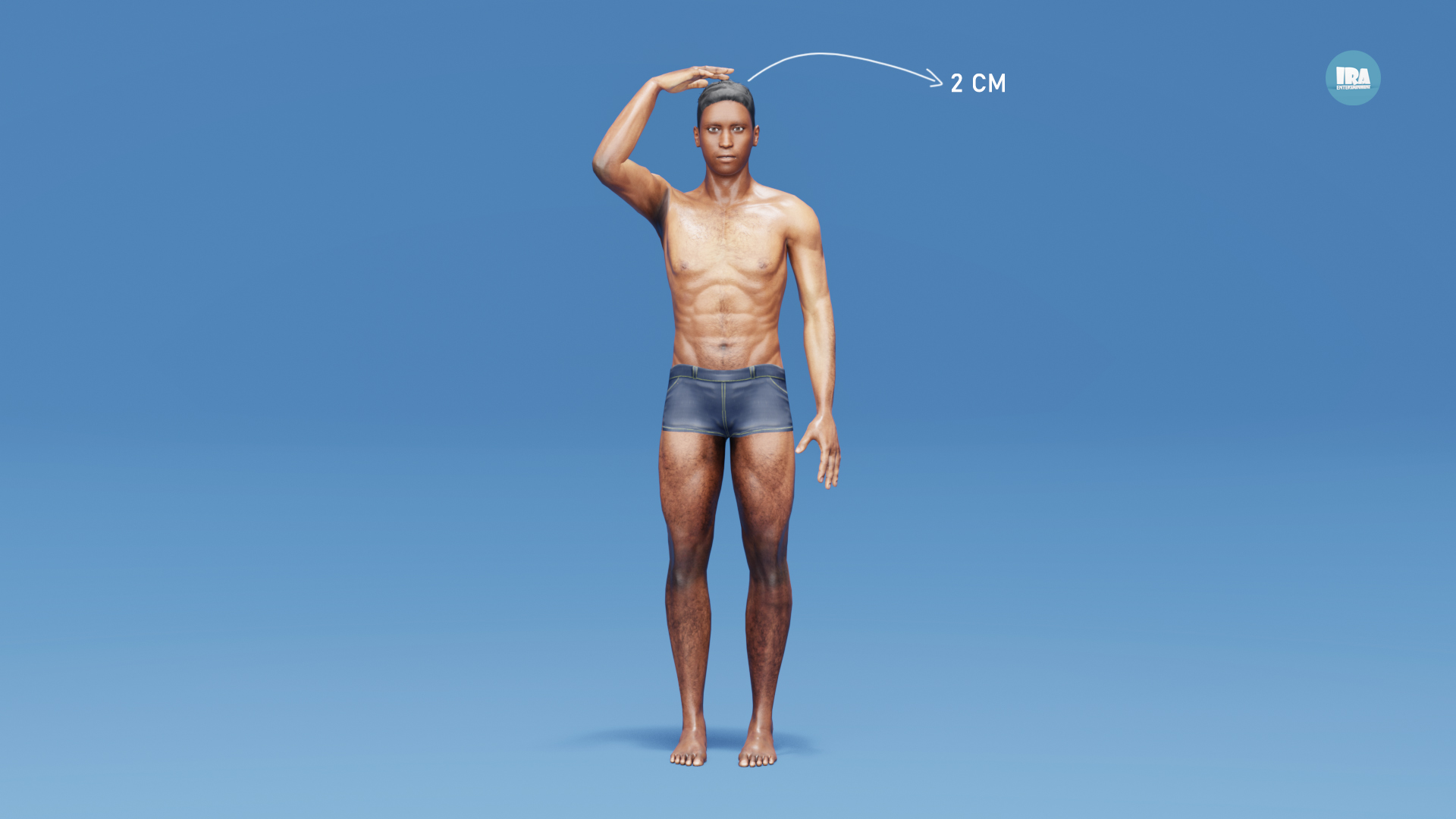
Why You Are Taller in the Morning: Explained with 3D visuals
Have you ever noticed that you seem slightly taller when you wake up in the morning? This is not an illusion. In fact, most people are about 1 to 2 centimeters taller in the morning compared to the evening.
This daily height variation is a scientifically proven phenomenon linked to the structure of your spine and the effect of gravity on your body. In this article, we will explore the anatomy of the spine, the role of vertebral discs, the impact of gravity, age-related height loss, and the biological mechanisms behind this fascinating change.
Understanding the Structure of the Human Spine
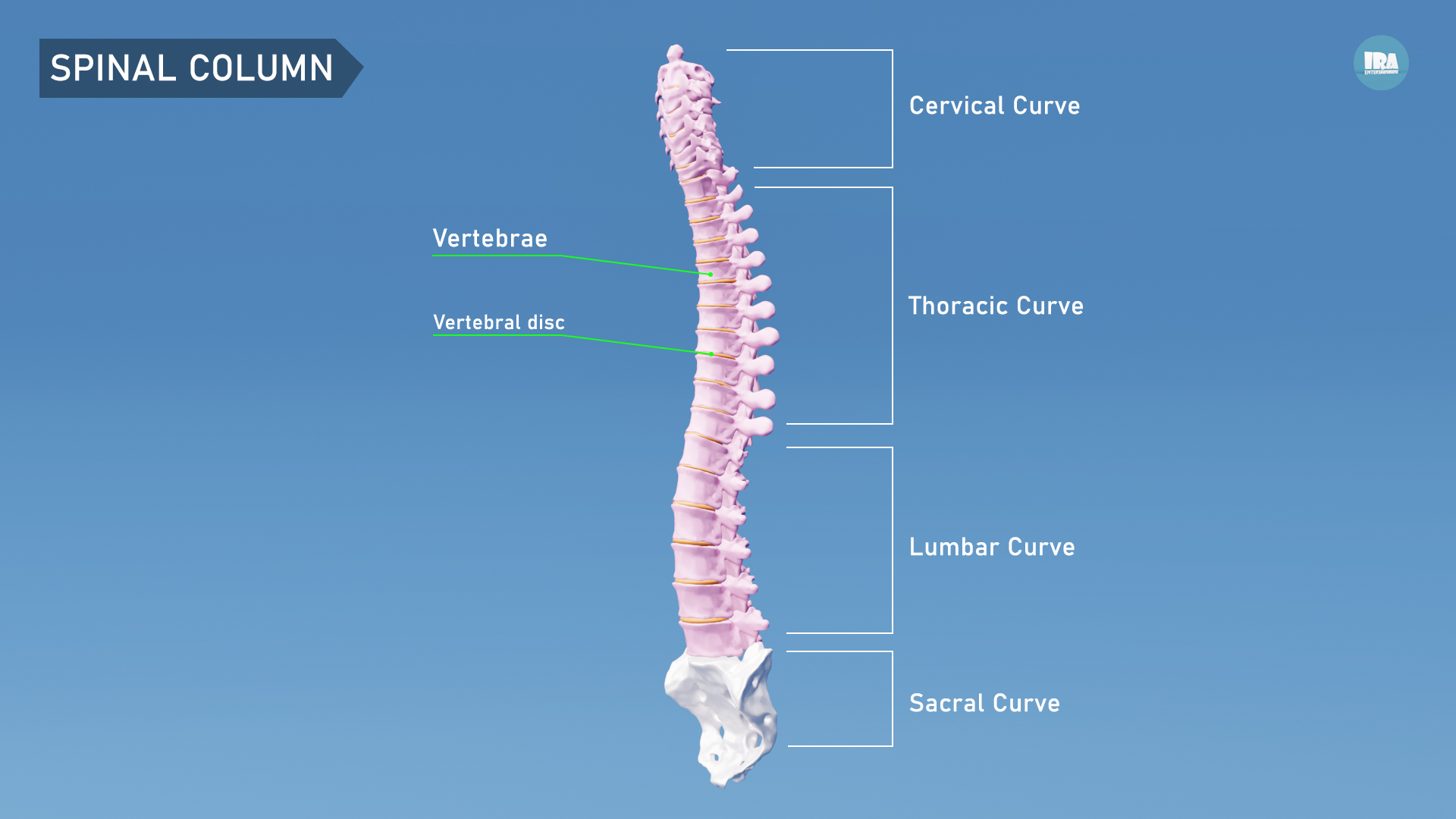
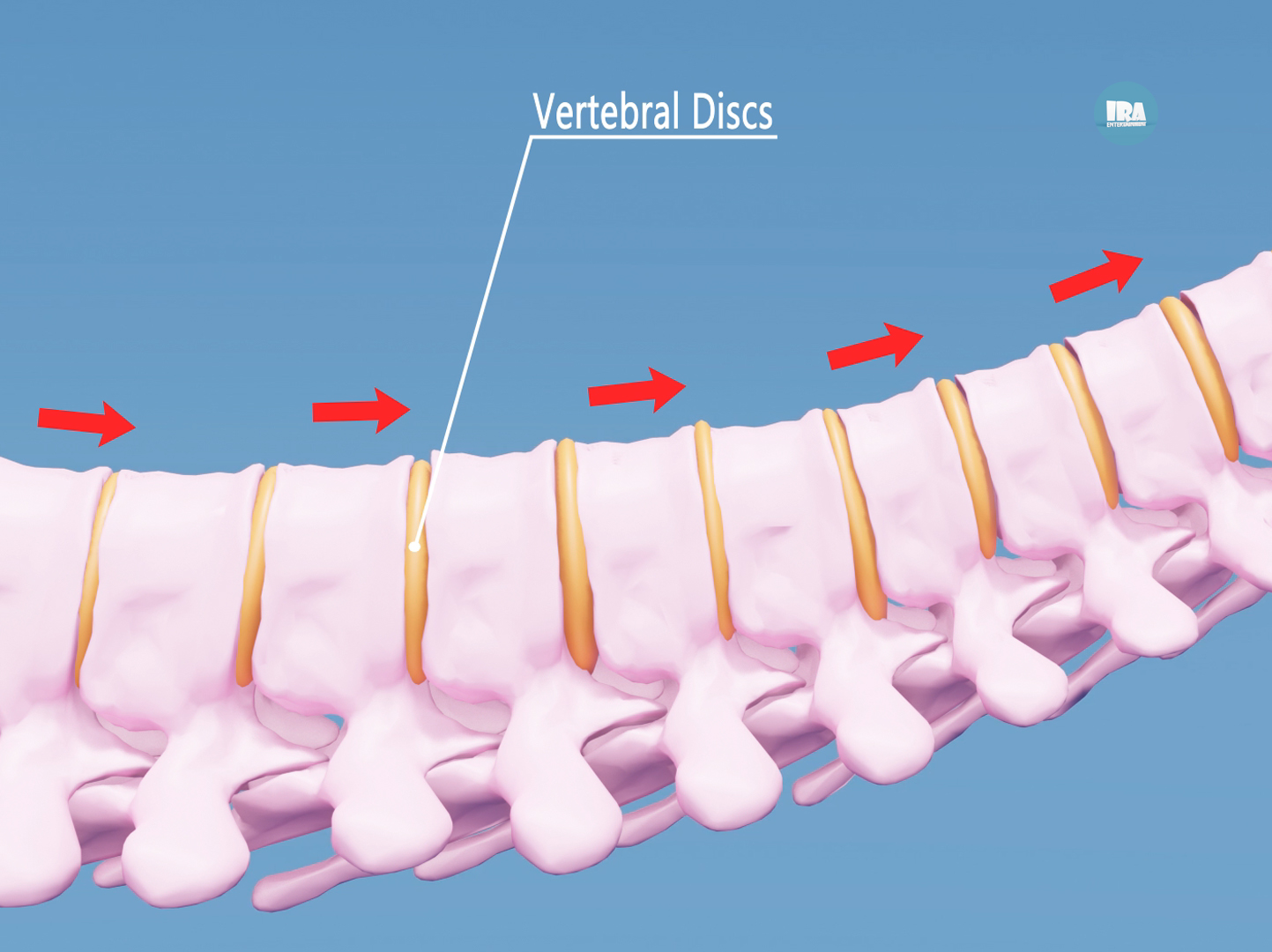
The human spine is not a single solid bone. Instead, it is a complex structure made up of 24 movable vertebrae, along with additional fused bones at the base.(See above image)
The Spine Includes:
7 Cervical vertebrae (neck)
12 Thoracic vertebrae (upper back)
5 Lumbar vertebrae (lower back)
Sacrum (fused)
Coccyx (tailbone)
Between each movable vertebra lies a soft, flexible structure called an intervertebral disc.
These discs are essential for:
Shock absorption
Flexibility
Weight distribution
Spinal mobility
Without these discs, basic movements like walking, bending, and sitting would be extremely painful.
What Are Intervertebral Discs?
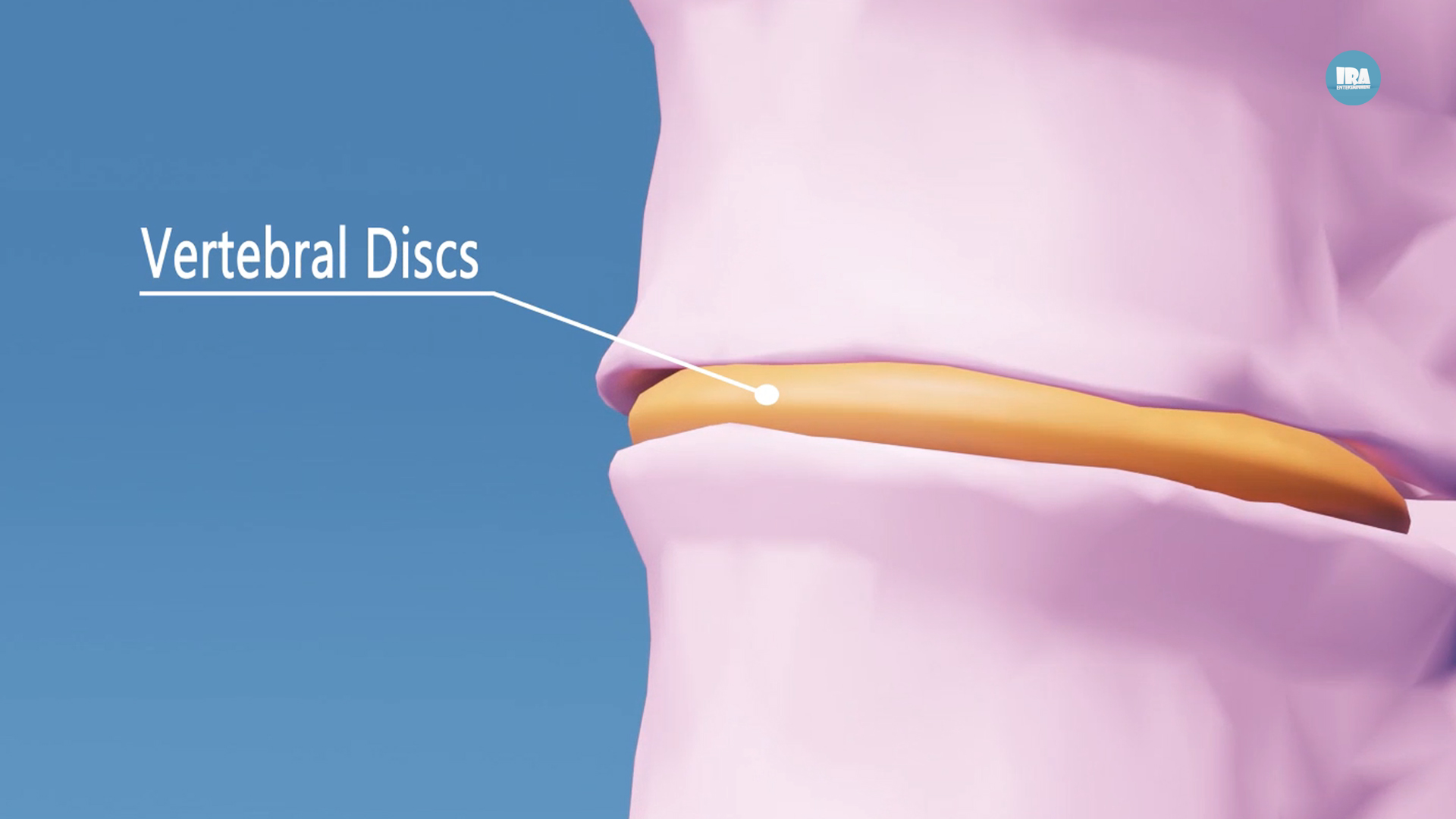
Intervertebral discs are soft, cushion-like structures located between the vertebrae. Each disc consists of:
Nucleus pulposus – A gel-like inner core rich in water
Annulus fibrosus – A tough outer layer made of fibrous cartilage
These discs act like sponges. They absorb pressure and help distribute mechanical forces throughout the spine.
When pressure is applied — such as standing or walking — the discs compress slightly. When pressure is removed — such as lying down — they expand again.
The Role of Gravity in Daily Height Loss
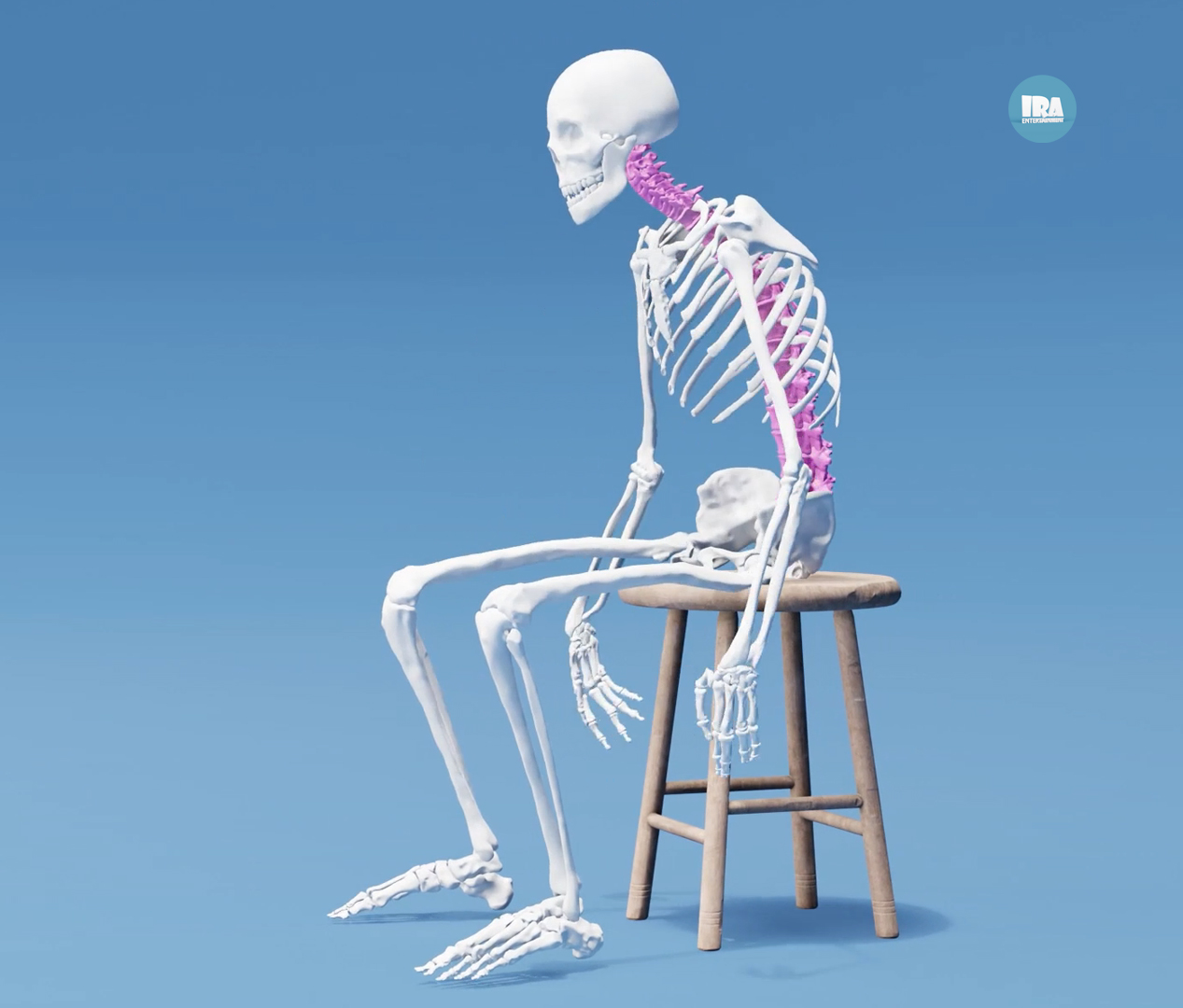
Throughout the day, your body is constantly affected by gravity.
When you:
Stand
Walk
Sit upright
Carry weight
Gravity pushes down on your spine. This pressure gradually compresses the intervertebral discs.
Think of It Like a Sponge
Imagine pressing down on a sponge. It becomes thinner as water is squeezed out. Similarly, spinal discs lose a small amount of fluid during the day due to constant compression.
This compression can reduce your height by 1 to 2 centimeters by evening.-expand it little bit
What Happens to Your Spine While You Sleep?
At night, when you lie down horizontally, gravity no longer compresses your spine in the same way.
During sleep:
Pressure on spinal discs decreases
Discs rehydrate by absorbing fluid
The gel-like core expands
Space between vertebrae slightly increases
This process restores spinal height.
By morning, your spine is fully decompressed and rehydrated, making you slightly taller than you were the previous night.
This daily cycle is often referred to as spinal decompression and rehydration.
How Much Taller Are You in the Morning?
Most people gain approximately:
1 to 2 centimeters (0.4 to 0.8 inches) overnight.
The exact amount depends on:
Age
Activity level
Spinal health
Body weight
Posture habits
Athletes and taller individuals may experience slightly greater variation due to increased spinal loading during the day.
Why Do We Lose Height as We Age?
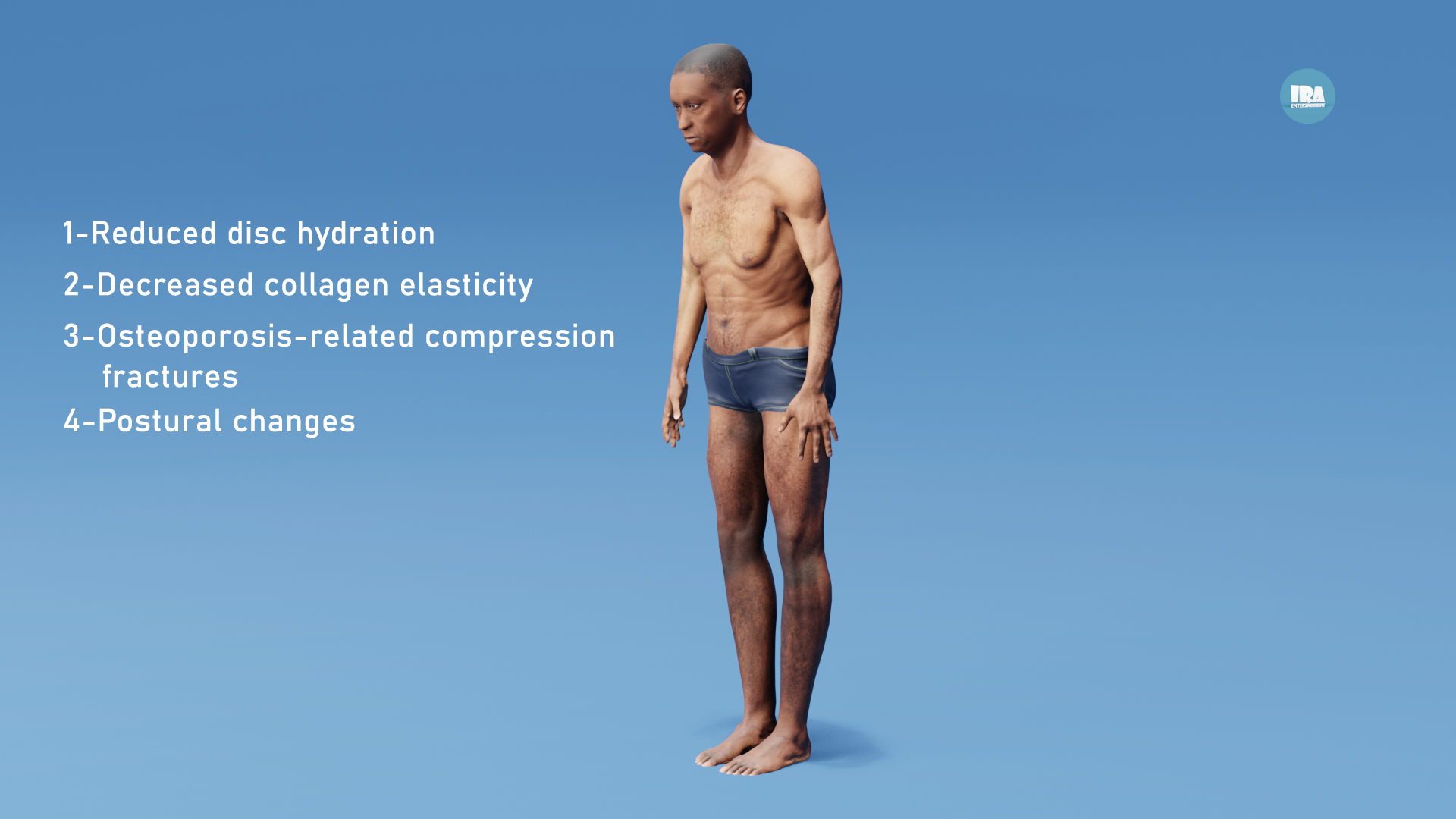
While daily height variation is temporary, aging causes permanent changes in spinal structure.
As we grow older:
Intervertebral discs lose water content
Disc elasticity decreases
Discs become thinner
Vertebral compression increases
This process is known as disc degeneration.
Since discs become less capable of rehydrating, older adults may lose several centimeters in height over time.
Key Reasons for Age-Related Height Loss:
Reduced disc hydration
Decreased collagen elasticity
Osteoporosis-related compression fractures
Postural changes
Disc dehydration is one of the primary biological reasons why people shrink slightly with age.
Does Posture Affect Daily Height?
Yes, posture does affect your daily height.
Poor posture increases uneven pressure on your spine. When you slouch, hunch your shoulders, or lean forward for long periods, the weight of your body is not distributed evenly. This causes certain areas of the spine—especially the lower back and neck—to experience more compression than others. As a result, the intervertebral discs in those regions can compress more than they normally would, which can make you appear slightly shorter.
Over time, consistently poor posture can also cause muscles and ligaments around the spine to adapt to unhealthy positions. This makes it harder for your spine to stay fully upright, further reducing your visible height during the day.
Maintaining good posture helps protect your spine and allows it to function properly. Standing and sitting upright keeps your spine aligned in its natural curves, which distributes pressure evenly across all the discs.
Good posture helps to:
Reduce uneven disc compression
Improve spinal alignment
Reduce unnecessary strain on muscles and ligaments
Help you maintain your full natural height throughout the day
However, good posture does not permanently increase your height beyond your genetic limit. Instead, it allows your spine to stay properly aligned and prevents unnecessary compression caused by slouching. In other words, good posture helps you express your true height rather than increasing it.
Can You Increase Your Height Permanently?
Daily height variation is temporary. Sleeping does not permanently increase height.
However, you can support spinal health by:
Maintaining proper posture
Staying hydrated
Strengthening core muscles
Avoiding excessive spinal load
Sleeping on a supportive mattress
True height increase after growth plate closure is not naturally possible without medical intervention.
Frequently Asked Questions (FAQs)
Is it normal to be taller in the morning?
Yes. Almost everyone is 1–2 cm taller in the morning due to spinal decompression.
2. Does drinking water increase morning height?
Hydration supports disc health, but it does not significantly increase daily height variation.
3. Why do astronauts grow taller in space?
In microgravity, spinal discs expand more than on Earth because there is no gravitational compression. Astronauts can grow up to 5 cm taller temporarily.
4. At what age does height loss begin?
Disc degeneration can begin in the 30s, but noticeable height loss typically occurs later in life.
5. Can stretching increase height?
Stretching temporarily improves posture and spinal decompression, but it does not permanently increase height in adults.
Final Thoughts
The human body constantly adapts to physical forces. The simple act of standing against gravity all day compresses your spine slightly. When you sleep, your spine resets and restores its natural spacing.
So if you ever feel shorter, measure your height in the morning — you might gain a small but scientifically fascinating boost.
Understanding this process not only satisfies curiosity but also highlights the importance of spinal health and posture in long-term well-being.
Watch the Full 3D Animation
To explore all of these processes in 3D, check out our detailed 3D Animation video.
Watch it in Malayalam!
Want to learn more through visual storytelling? Check out our detailed 3D explanation blog on How Do Medicines Know Where to Heal?