Milk can go from perfectly calm to overflowing from the pot in just a few seconds. It happens in kitchens every day, but the reason behind it is surprisingly simple. Once you understand the science, you’ll also know exactly how to prevent it.
Watch the full animated visual presentation of this topic at the end of this blog.
Milk Is More Than Just Water
Milk isn’t just water. It contains water, fats, proteins, milk sugar (lactose), minerals, and many other nutrients.
Scientists classify milk as a colloid, which means tiny droplets of fat and proteins are evenly dispersed throughout the water instead of dissolving completely.
What Happens When Milk Is Heated?
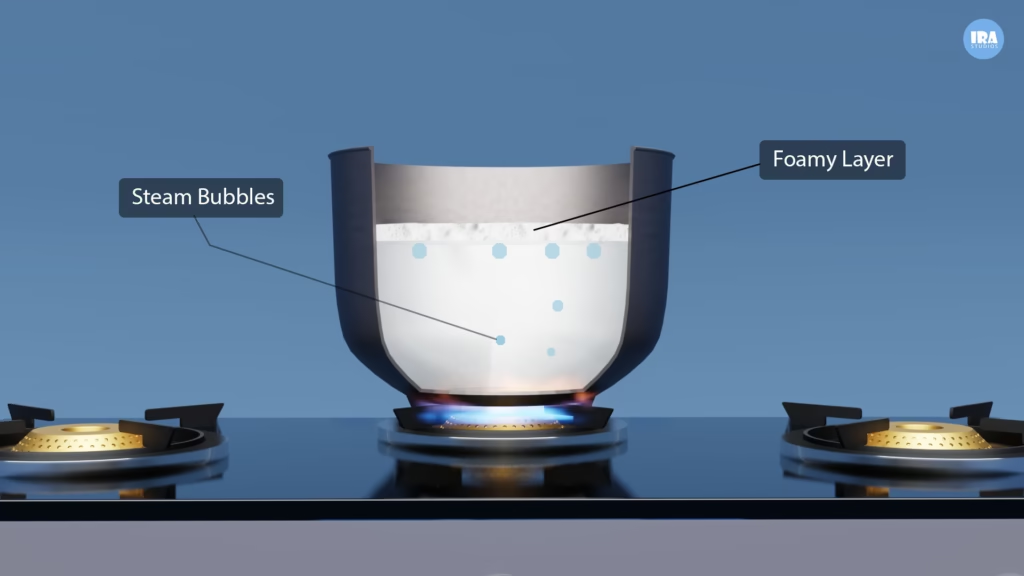
As milk heats up, two important things happen at the same time.
First, the water in the milk begins to turn into steam. Tiny steam bubbles form at the bottom of the pot and start rising toward the surface.
At the same time, the proteins in the milk—especially whey proteins—change their structure as they are heated. Along with milk fat and other milk solids, they form a thin skin or foamy layer on the surface. (See above image)
Why Does Milk Boil Over?
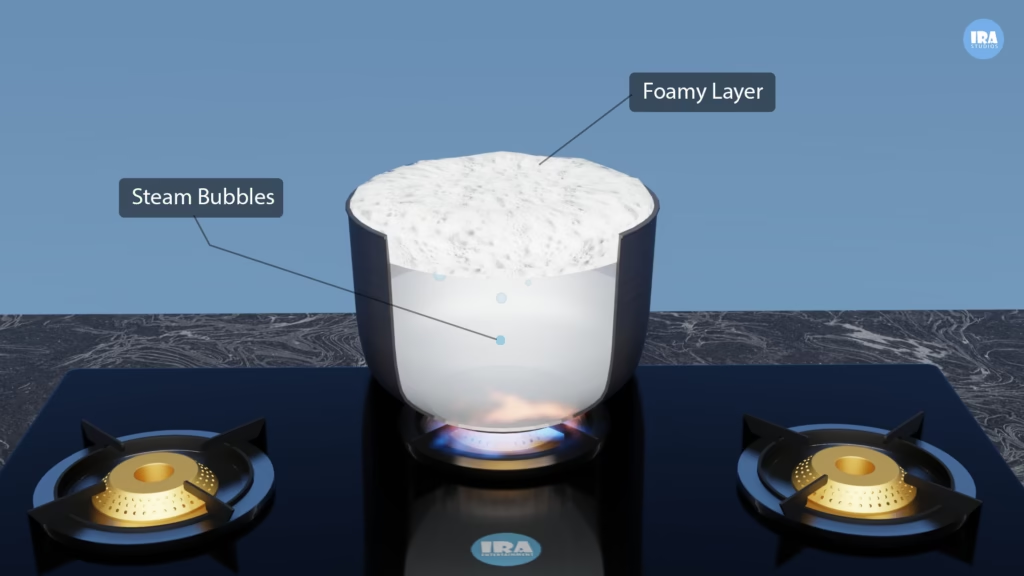
This thin surface layer is what makes milk behave differently from plain water.
When water boils, steam bubbles reach the surface, burst, and escape into the air.
But in milk, many of those steam bubbles become trapped beneath the thin surface layer. Since the steam cannot escape easily, more and more bubbles collect underneath as the milk gets hotter.
Eventually, the trapped steam pushes the surface layer upward. The foam expands very quickly, rises above the rim of the pot, and the milk boils over.(See above image)
How to Prevent Milk From Boiling Over
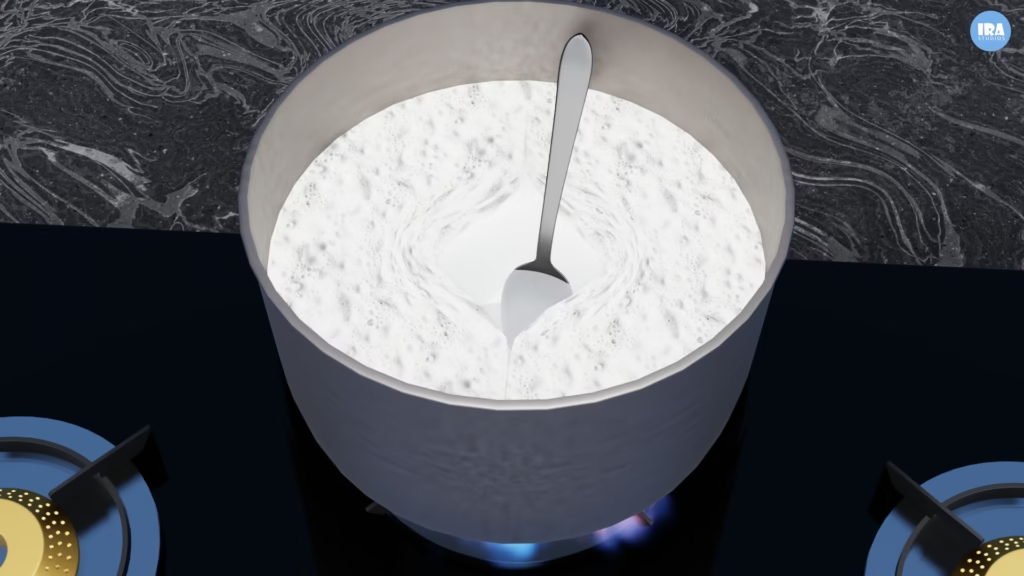
The solution is simple: help the steam escape before it gets trapped.
Here are a few easy ways to do that:
- Stir the milk occasionally. This breaks the surface layer and allows the steam to escape.
- Use a spoon to gently disturb the surface from time to time, preventing too many steam bubbles from collecting underneath.
- Heat the milk over medium or low heat. Slower heating produces steam more gradually, reducing the chance of a sudden overflow.
The Science Makes It Simple
Milk doesn’t boil over because it gets hotter than water. It boils over because heating creates a thin surface layer that traps steam bubbles underneath.
As more steam builds up, pressure lifts the surface layer until it suddenly rises and spills over the edge of the pot.
Once you understand this simple science, it’s easy to see why stirring the milk or breaking the surface layer helps prevent it from boiling over. Sometimes, everyday kitchen mysteries have surprisingly simple scientific explanations.
Watch the Full 3D Animation
To explore all of these processes in 3D, check out our detailed 3D Animation video.
Watch it in Malayalam!
Want to learn more through visual storytelling? Check out our detailed 3D explanation blog on How to Scientifically Tell if an Egg Is Bad: The Water Test Explained