How wind is formed?
Wind is simply moving air. But what makes air move?
The answer is the Sun. The Sun provides the energy that creates differences in air temperature and air pressure, which causes wind.
Learn It Visually
Watch the full animated visual presentation of this topic at the end of this blog.
The Sun Heats the Earth Unevenly
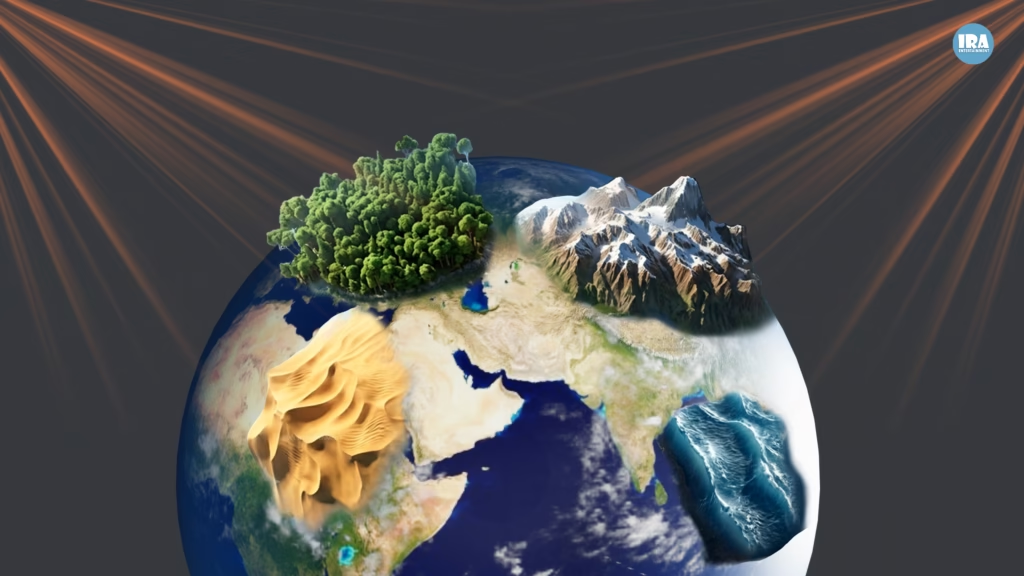
The Sun heats the Earth’s surface and atmosphere every day. However, it does not heat every part of the Earth equally.
Sunlight reaches different parts of the Earth at different angles. In addition, surfaces such as oceans, forests, deserts, and mountains absorb and release heat at different rates. As a result, some regions become warmer than others.
This uneven heating is the first step in the formation of wind.
What Is Air Pressure?
Air is a mixture of gases that surrounds the Earth. These gases are made up of tiny particles called molecules.
The weight of the air pressing down on the Earth’s surface is known as air pressure.
Air pressure is not the same everywhere. It changes depending on the temperature of the air.
How Cold Air Creates High Pressure
When air is cold, its molecules move more slowly and stay closer together. This makes the air denser and heavier.
Because it is heavier, cold air sinks toward the Earth’s surface. This creates an area of high pressure.
How Warm Air Creates Low Pressure
When the Sun heats the air, the molecules move faster and spread farther apart.
The air expands, becomes less dense, and rises into the atmosphere. As the warm air rises, it leaves behind an area of low pressure near the Earth’s surface.
How Wind Is Created
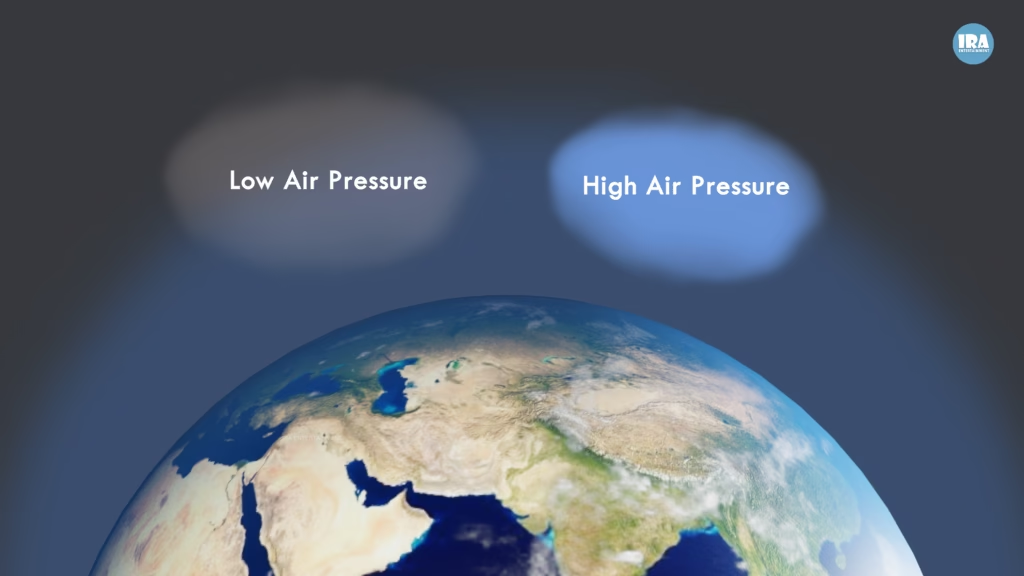
Wind forms because air naturally moves from areas of high pressure to areas of low pressure.
Cold, dense air from a high-pressure area flows toward a low-pressure area to replace the rising warm air. This movement of air is called wind.
Why Wind Speed Changes
The speed of the wind depends on the difference in air pressure.
- A small pressure difference produces light winds.
- A large pressure difference produces stronger winds.
- Very large pressure differences can lead to storms and severe weather.
Watch the Full 3D Animation
To explore all of these processes in 3D, check out our detailed 3D Animation video.
Watch it in Malayalam!
Want to learn more through visual storytelling? Check out our detailed 3D explanation blog on How Rain and Snow Are Formed : Water Cycle explained with visuals
Useful Links :