How Rain and Snow Are Formed?
Rain and snow are part of a natural process called the water cycle. This process keeps water moving between the Earth and the sky again and again.
Let’s understand it in a very simple way with the help of visuals..
Watch the full animated visual presentation of this topic at the end of this blog.
Everything Starts With the Sun
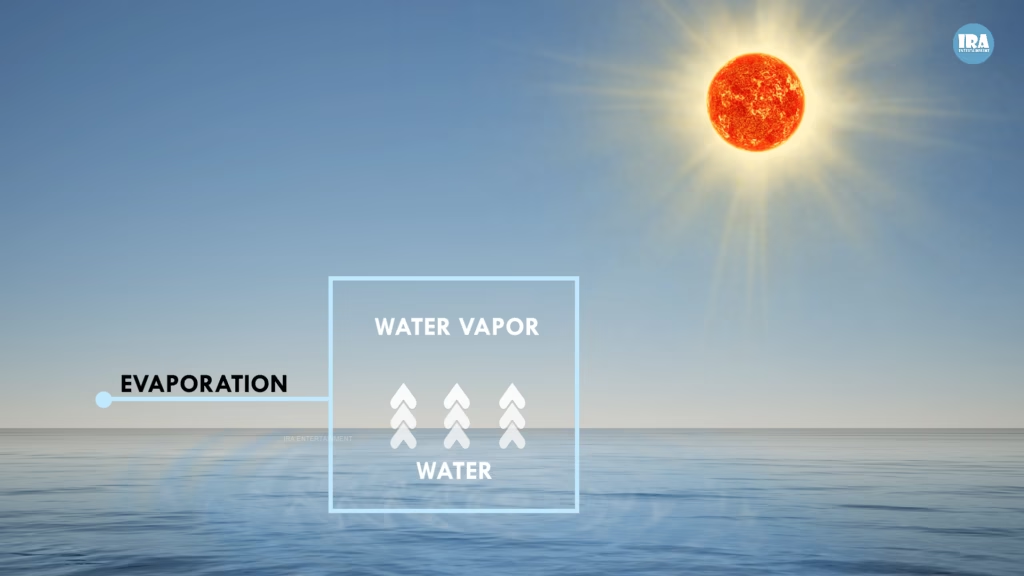
The Sun heats the water in oceans, rivers, lakes, and ponds.
When water gets heated, it changes into an invisible gas called water vapor.(See above image)
This process is called evaporation.
Water vapor is much lighter than liquid water, so it rises up into the sky.
The Air Gets Colder Higher Up
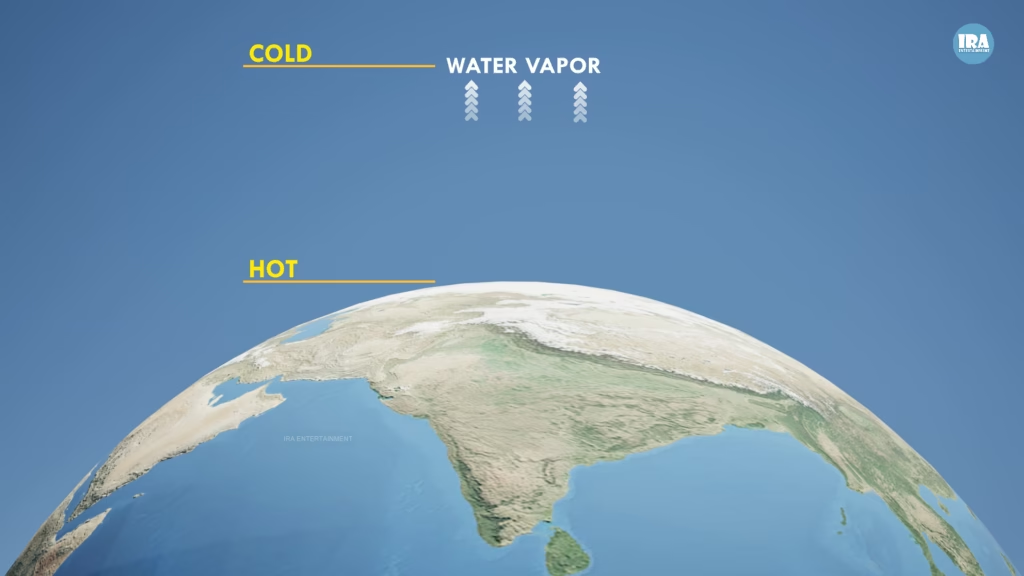
As water vapor rises higher and higher into the sky, the air around it becomes colder and colder. This happens because the Sun heats the Earth’s surface more than the air above it. The ground absorbs heat and warms the lower atmosphere, but this heat does not reach very high levels strongly. So, the higher we go, the farther we are from the warm ground, and the temperature keeps dropping.
Tiny Particles in the Air Help Cloud Formation
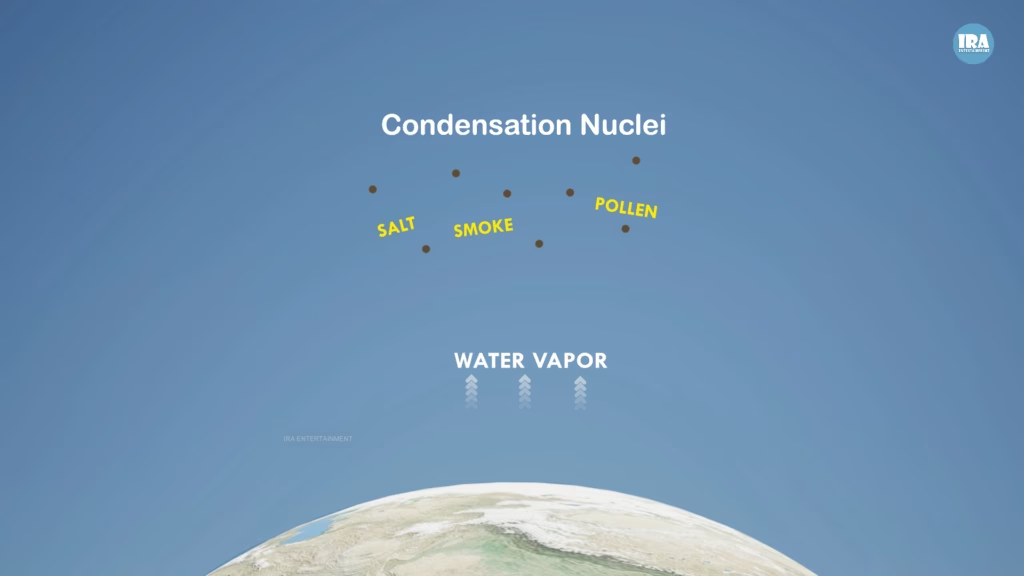
As water vapor rises higher and higher, the air becomes colder.
The atmosphere also contains tiny particles like dust, smoke, salt, and pollen. These tiny particles are called condensation nuclei.
These particles help water vapor turn back into water droplets because water vapor needs a surface to attach to when it cools down. As the air becomes colder, the water vapor gathers around these condensation nuclei and changes into tiny liquid droplets.
How Clouds Are Formed
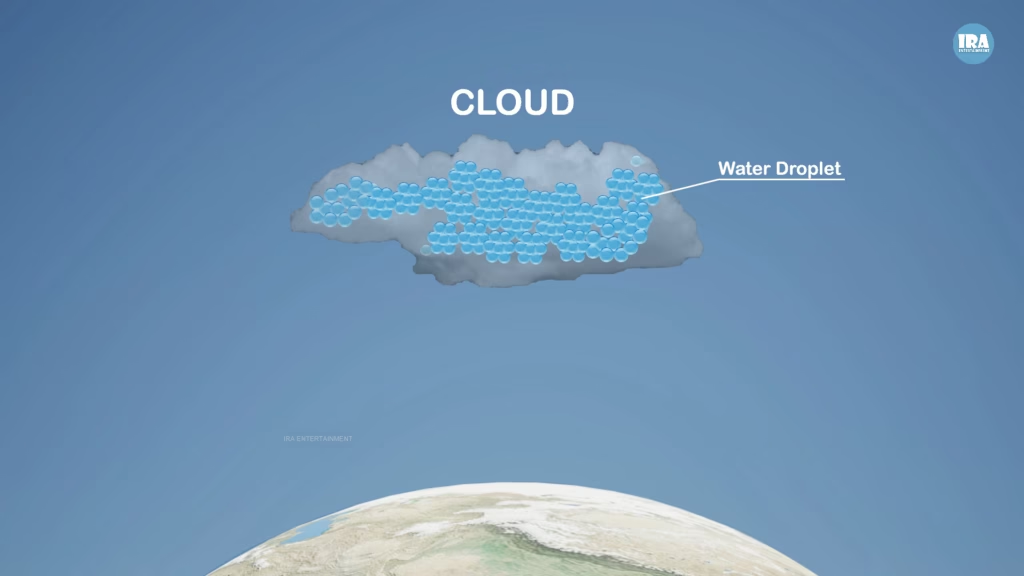
When water vapor cools down, it sticks to those tiny particles and changes back into tiny drops of water.
This process is called condensation.
Millions of these tiny water droplets come together to form clouds.
So, clouds are made of tiny water droplets floating in the sky.
Evaporation and Condensation: The Two Key Processes of the Water Cycle
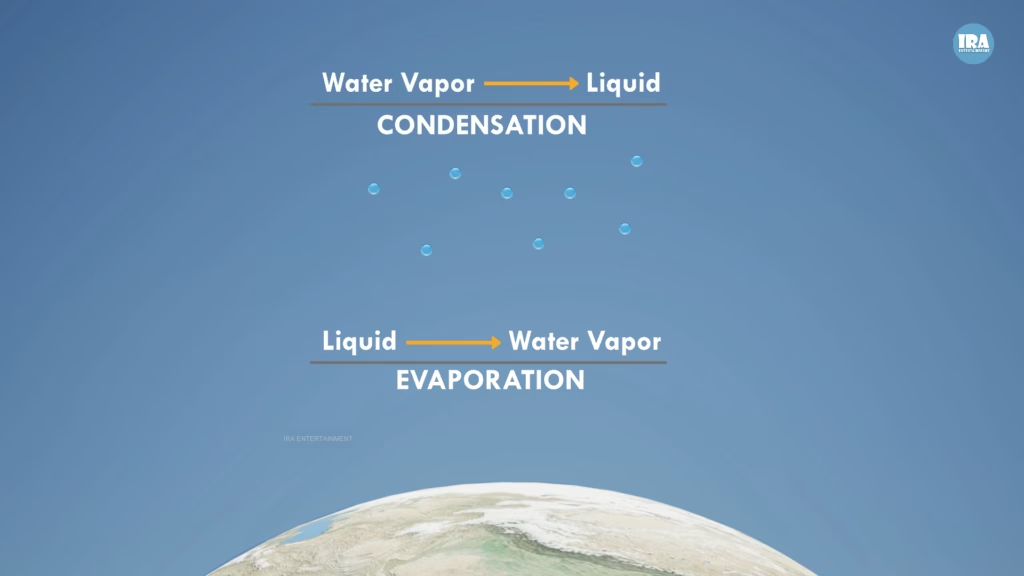
Evaporation is the process where water from oceans, rivers, lakes, and other sources gets heated by the Sun and changes into water vapor. This water vapor is light, so it rises into the air and moves upward into the atmosphere.
Condensation happens when this water vapor rises higher into the atmosphere and becomes cold. In this cool air, the water vapor changes back into tiny water droplets by gathering around small particles called condensation nuclei. These tiny droplets come together to form clouds.
(See above image)
How Rain Is Formed
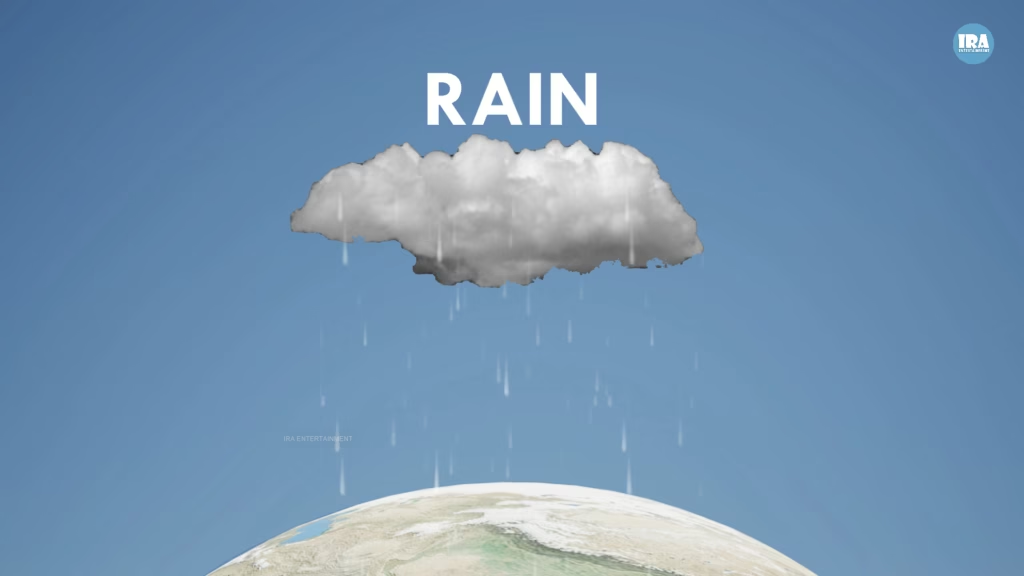
Inside the clouds, the tiny droplets keep joining together.
Slowly they become bigger and heavier.
When they become too heavy to float in the air, they fall down to the Earth as rain.
This falling of water from clouds is called precipitation.
Every raindrop is made from many tiny water droplets joined together.
How Snow Is Formed
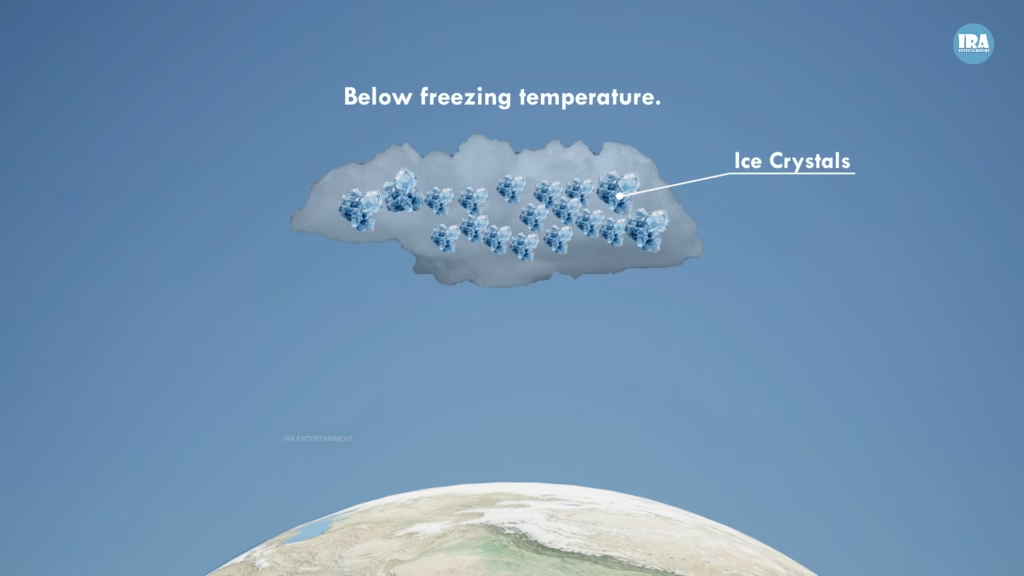
Sometimes the atmosphere becomes extremely cold.
When the temperature goes below freezing, the water droplets inside clouds turn into tiny ice crystals.
These ice crystals join together and form beautiful snowflakes.
When the snowflakes become heavy enough, they fall to the Earth as snow instead of rain.
The Water Cycle Never Stops
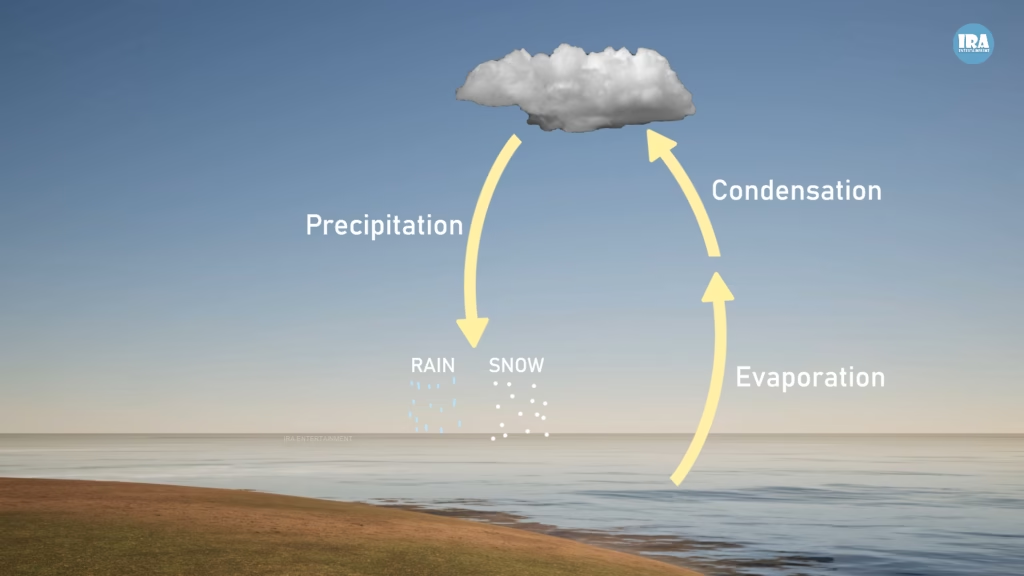
When rain or snow reaches the Earth, the Sun heats the water again.
Then the same process repeats:
- Evaporation
- Condensation
- Cloud formation
- Rain or snow
This endless journey of water is called the water cycle.(see above image)
The water cycle is very important because it provides water for plants, animals, and humans.
Rain and snow are formed through simple natural processes happening in the atmosphere.
The Sun, water, clouds, and temperature all work together to keep the water cycle moving continuously around the Earth.
Watch the Full 3D Animation
To explore all of these processes in 3D, check out our detailed 3D Animation video.
Watch it in Malayalam!
Want to learn more through visual storytelling? Check out our detailed 3D explanation blog on Why Rain Smells So Good : Science Behind Petrichor